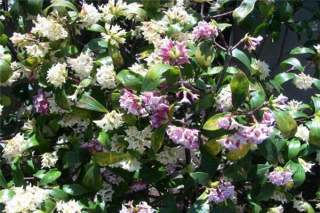
Azalea bushes, belonging to the Rhododendron genus, are popular flowering shrubs known for their vibrant blooms and lush foliage. Their lifespan varies depending on species, growing conditions, and care. On average, azaleas live for 30 to 50 years, though some specimens can thrive for over a century with optimal care. Understanding their lifecycle and requirements is key to maximizing their longevity.
Several factors determine how long azalea bushes live:
a. Species and Cultivar: Deciduous azaleas (e.g., Rhododendron molle) typically live 20–30 years, while evergreen varieties (e.g., Rhododendron indicum) can exceed 50 years.
b. Climate: Azaleas thrive in USDA zones 5–9. Extreme cold or heat shortens their lifespan.
c. Soil Conditions: Well-drained, acidic soil (pH 4.5–6.0) is critical. Poor drainage leads to root rot, a common killer.
d. Pests and Diseases: Lace bugs, powdery mildew, and Phytophthora root rot can significantly reduce lifespan if untreated.
Azaleas progress through distinct growth phases:
a. Juvenile Stage (0–3 years): Focused on root and foliage development. Blooms may be sparse.
b. Mature Stage (4–30 years): Peak flowering and growth. Proper pruning and fertilization are crucial.
c. Senescence (30+ years): Growth slows, branches may die back. Renewal pruning can extend life.
To ensure azaleas reach their maximum lifespan:
a. Planting: Choose partial shade (morning sun/afternoon shade) and amend soil with organic matter.
b. Watering: Keep soil consistently moist but not waterlogged. Drought stress shortens lifespan.
c. Fertilization: Apply acidic fertilizer (e.g., 10-5-4) in early spring. Avoid high-nitrogen formulas.
d. Pruning: Remove dead wood after flowering. Avoid heavy pruning, which stresses the plant.
Azaleas face several challenges that can shorten their lives:
a. Root Rot: Caused by soggy soil or fungal pathogens. Symptoms include yellowing leaves and stunted growth.
b. Pests: Spider mites and azalea caterpillars defoliate plants, weakening them over time.
c. Improper Pruning: Cutting into old wood or pruning late in the season reduces bloom potential and vigor.