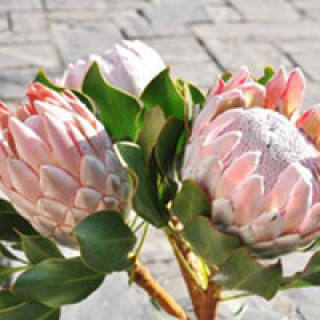
Cornflowers, scientifically known as Centaurea cyanus, are annual flowering plants native to Europe but widely adaptable to gardens in the United States. These plants thrive in USDA hardiness zones 2–11, making them suitable for most regions. Cornflowers are prized for their vibrant blue blooms, though cultivars also come in pink, white, and purple. They grow 1–3 feet tall and attract pollinators like bees and butterflies.
Cornflowers prefer full sun, requiring at least 6–8 hours of direct sunlight daily. They can tolerate partial shade but may produce fewer blooms. Choose a well-draining site, as these plants are susceptible to root rot in waterlogged soil. Avoid areas with heavy clay; instead, opt for sandy or loamy soil with a neutral to slightly alkaline pH (6.0–7.5).
Before planting, loosen the soil to a depth of 8–12 inches and remove weeds or debris. Cornflowers are not heavy feeders, but incorporating organic matter like compost can improve soil structure and fertility. Avoid over-fertilizing, as excessive nitrogen promotes leafy growth at the expense of flowers. If your soil is acidic, add lime to raise the pH.
Cornflowers can be sown directly outdoors after the last frost date in spring or started indoors 4–6 weeks earlier. For direct sowing, scatter seeds thinly and cover with ¼ inch of soil, spacing them 6–12 inches apart. Water gently to keep the soil moist until germination, which typically occurs in 7–14 days. Thin seedlings to 8–12 inches apart to prevent overcrowding.
Once established, cornflowers are drought-tolerant and require minimal watering. Provide about 1 inch of water per week during dry spells, ensuring the soil dries between waterings. Overwatering can lead to fungal diseases. Mulching around the plants helps retain moisture and suppress weeds. Deadhead spent blooms regularly to encourage continuous flowering.
Cornflowers are relatively pest-resistant but may occasionally attract aphids or powdery mildew. Spray aphids off with water or use insecticidal soap. To prevent mildew, ensure good air circulation and avoid overhead watering. Rotate planting locations annually to reduce soil-borne diseases.
Cornflowers bloom from early summer to fall. Cut flowers for arrangements when they are fully open but before they fade. To save seeds, allow some blooms to dry on the plant. Collect the seed heads, remove the seeds, and store them in a cool, dry place for next year’s planting.
In mild climates, cornflowers may self-seed naturally. Allow some flowers to go to seed in fall, and they’ll sprout the following spring. In colder regions, mulch lightly to protect overwintering seeds. Alternatively, collect seeds and replant them annually.