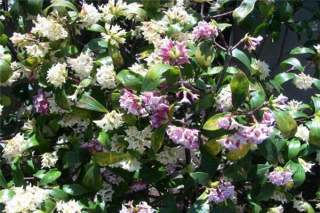
The African Daisy (Osteospermum) is native to South Africa, where it thrives in warm, sunny climates with well-draining soil. This perennial plant is accustomed to mild winters and cannot tolerate prolonged freezing temperatures. Its natural habitat provides clues about its winter survival needs: it prefers temperatures above 25°F (-4°C) and may struggle in regions with harsh winters.
African Daisies are typically hardy in USDA zones 9–11, where winter temperatures rarely drop below freezing. In colder zones (below 9), they are often grown as annuals or require special care to survive winter. The plant's shallow root system and tender foliage make it vulnerable to frost damage, which can cause wilting, browning, or death if exposed to prolonged cold.
To help African Daisies survive winter, consider these approaches based on your climate:
In marginally cold zones (e.g., zone 8), apply a thick layer of mulch (3–4 inches) around the base of the plant to insulate the roots. Use organic materials like straw, pine needles, or shredded leaves. Mulch helps retain soil warmth and prevents freeze-thaw cycles that can damage roots.
If grown in containers, move African Daisies indoors before the first frost. Place them near a sunny window or under grow lights to mimic their preferred light conditions. Reduce watering during dormancy, as overwatering in winter can lead to root rot.
For in-ground plants, use frost cloths or row covers during cold snaps. Avoid plastic covers, as they can trap moisture and cause frost damage. Remove covers during the day to allow airflow and sunlight.
Before winter, trim back leggy or dead growth to reduce the risk of disease. However, avoid heavy pruning in fall, as the foliage can provide some protection. Resume regular pruning in early spring to encourage new growth.
Reduce watering frequency in winter, as the plant's growth slows. Overly wet soil can lead to root rot in cold weather. Avoid fertilizing until spring, when active growth resumes. Excess nutrients in winter can stress the plant.
Indoor overwintered plants may attract pests like aphids or spider mites. Inspect leaves regularly and treat infestations with insecticidal soap. Ensure good air circulation to prevent fungal diseases like powdery mildew.
In very cold climates (zones 1–6), African Daisies are unlikely to survive outdoors. Treat them as annuals or dig up and store roots in a cool, dark place (like a garage) until spring. Replant after the last frost.