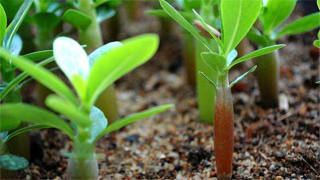
Cacti are renowned for their slow growth, a trait evolved to thrive in arid environments where resources like water and nutrients are scarce. Their growth rates vary significantly depending on species, environmental conditions, and care. While some cacti may grow a few inches per year, others take decades to reach maturity. Understanding these growth patterns requires examining biological adaptations and external factors.
Several factors determine how fast a cactus grows:
Species Variability: Desert giants like Saguaro (Carnegiea gigantea) grow slowly, adding just 1-1.5 inches annually in their first decade, while smaller species like Mammillaria may grow faster under ideal conditions.
Environmental Conditions: Light, temperature, and humidity play critical roles. Cacti grow faster in warm, bright environments but slow or stall in cold or shaded areas.
Water Availability: Despite drought tolerance, periodic watering boosts growth. Overwatering, however, risks root rot and stunts development.
Soil Quality: Well-draining, nutrient-rich soils with sandy or gritty textures promote healthier root systems and faster growth compared to compacted or poor soils.
Cacti progress through distinct life stages, each with unique growth rates:
Seedling Stage: The slowest phase, where cacti may take months to years to establish roots and visible stems. For example, Ferocactus seedlings grow only 0.5 inches in their first year.
Juvenile Stage: Growth accelerates slightly as the plant develops spines and thicker stems. Columnar cacti like Pachycereus may grow 2-6 inches annually during this phase.
Maturity: Reproductive maturity can take decades. A Saguaro may not flower until 35-40 years old, while smaller barrel cacti (Echinocactus) mature in 10-20 years.
Cacti prioritize survival over speed through specialized adaptations:
Crassulacean Acid Metabolism (CAM): This photosynthetic process allows cacti to open stomata at night, reducing water loss and conserving energy for slow, sustained growth.
Succulent Tissues: Water-storing stems enable cacti to endure droughts but limit rapid cell expansion, slowing vertical or radial growth.
Spine Coverage: Investment in spine production diverts energy from growth but protects against herbivores and sun damage.
Cultivated cacti often grow faster than wild counterparts due to optimized care:
Fertilization: Balanced, low-nitrogen fertilizers applied sparingly during active seasons (spring/summer) can enhance growth without causing etiolation.
Potting Practices: Repotting every 2-3 years prevents root binding and refreshes soil nutrients, encouraging steady growth.
Artificial Environments: Greenhouse-grown cacti, with controlled light and humidity, may grow 20-50% faster than those in natural habitats.
Some cacti defy typical growth patterns:
Pereskia: Leafy, non-succulent cacti grow rapidly like conventional shrubs, up to several feet per year.
Epiphytic Cacti: Species like Epiphyllum (orchid cacti) grow faster in humid, shaded conditions, adding 6-12 inches annually.