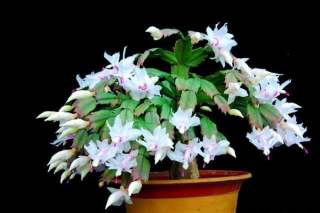
From our perspective as a Christmas Cactus, the state you call "leggy" or "overgrown" is simply a story of survival. We naturally stretch towards light sources, and if that light is insufficient or one-sided, our segments (called cladodes) elongate, becoming thin and weak as we desperately reach for more. We also drop older segments to conserve energy. Pruning is not an act of punishment, but a collaborative reset. It mimics the natural disturbances we might experience in our epiphytic habitats and allows us to direct our energy into growing fuller and stronger. Here is how we would prefer it to be done.
Timing is crucial for our well-being. The ideal period for this reset is in the late spring or early summer, after our vibrant display of flowers has concluded but well before we begin forming new buds for the next season, typically in the fall. During this active growth phase, we have the highest metabolic energy to heal the pruning wounds quickly and produce vigorous new growth from the pinched points. Please avoid pruning in the fall or winter, as this can remove our carefully formed flower buds and cause significant stress when we are in our reproductive or dormant phase.
To minimize damage and the risk of infection, we require clean, sharp tools. Your options are simple. You can use your sharp, clean fingernails to pinch and twist segments at their joints, which is often the gentlest method. Alternatively, a pair of sharp, sterile scissors or pruning shears is excellent for making precise cuts. Please sterilize blades with rubbing alcohol before you begin; this prevents introducing pathogens into our open tissues, much like you would protect a wound on your own skin.
Do not simply lop off the top of our stems. Instead, work with our natural architecture. Identify the long, overgrown stems and trace them back to where you want the new growth to begin. The best place to make a cut or a pinch is at the narrow junction between two segments. Removing one or two segments from the end of a stem will encourage branching just below that point. For a more dramatic reshaping, you can remove up to one-third of the plant's total length by cutting longer stems back to a primary "Y" junction. This signals to us to push out new growth from multiple points at once, creating a much bushier form.
Immediately after pruning, we are vulnerable. Hold off on watering for a few days to allow the cut ends to callus over. This natural scabbing process seals the wound and prevents rot. Place us in a location with bright, indirect light and stable temperatures to recover. After this brief healing period, you can resume your normal care routine. The energy we are no longer spending on maintaining those long, weak stems will be redirected into producing new, plump segments. You should see new, bright green growth emerging from the pruned areas within a few weeks.
Do not discard the healthy segments you have removed! From our perspective, this is an opportunity to create new life. Allow the cuttings to callus over for a day or two, then plant them about an inch deep in a small pot filled with a moist, well-draining potting mix. Several cuttings placed together in one pot will create a lush, full new plant from the very beginning. With consistent, light moisture and bright indirect light, these cuttings will soon develop their own root systems, giving you a brand-new generation of Christmas cactus to enjoy.