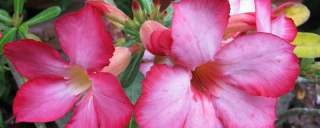
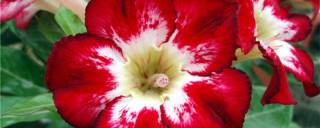
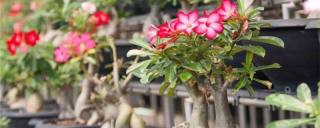
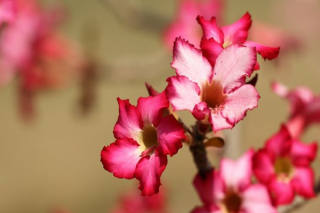
As a Desert Rose (Adenium obesum), my life is a beautiful dance with the sun, dictated by the ancient, unyielding rhythms of the dry seasons. I am not like the constant, ever-growing plants of the temperate forests. My existence is a cycle of vigorous growth and profound rest, and understanding my dormancy is the key to our shared success. From my perspective, here is when you should stop watering and fertilizing me.
I do not follow the human calendar with its fixed dates. Instead, I respond to the environment. The most significant trigger for my dormancy is the combination of shorter day length and cooler temperatures. As autumn deepens and sunlight becomes less intense, my internal processes begin to slow down. You will notice the first clear sign: a slowdown in my growth. I will stop producing new leaves, and my vibrant, lush appearance will begin to change. The most dramatic signal, however, is when I start to drop my leaves. Do not be alarmed; this is not a sign of death but a strategic retreat. By shedding my leaves, I drastically reduce my surface area for water loss, preparing for a long period of dryness. This is my way of shouting, "I am getting ready to sleep!"
This is the most crucial adjustment you must make. As I begin to drop my leaves, you must begin to reduce watering. My water needs plummet because without leaves, my transpiration (the plant equivalent of breathing out water vapor) is nearly zero. My thick, caudex (the swollen trunk) is my built-in water reservoir, designed to sustain me through months of drought. Continuing to water me when I have no leaves and cool soil is the fastest way to harm me. The water sits in the potting mix, my roots cannot absorb it, and they begin to rot in the cold, soggy conditions. Once I have lost a significant portion, or all, of my leaves, you should stop watering me almost completely. A very slight, occasional sip of water once a month during a warm spell might be acceptable to prevent the roots from completely desiccating, but the rule is: when in doubt, do not water.
Fertilizer is like a high-energy fuel for my growth. During dormancy, I am not growing—I am resting. My metabolic activity is at its lowest ebb. Applying fertilizer at this time is not only useless but potentially harmful. The salts in the fertilizer can build up in the dormant root zone because I am not actively taking them up, which can chemically burn my delicate root hairs. You should stop all fertilization at least a month before you expect my dormancy to begin, typically around the end of summer or early autumn. This gives me time to use up any residual nutrients and enter my rest period cleanly, without any stimulants pushing for growth that my system cannot support.
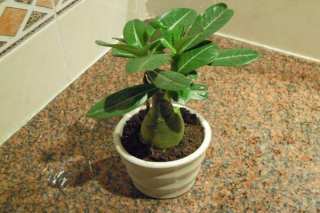
During my dormancy, I appear as a strange, bare, bottle-shaped stem. This is my natural state for surviving the harsh season. My life force is conserved within my caudex and roots. Your job during this time is to provide a suitable environment for my rest. Place me in a bright, cool location where temperatures ideally stay above 50°F (10°C). Most importantly, respect my need for dryness. Do not feel tempted to "wake me up" with water; I will do that on my own when the conditions are right. My survival through this period depends entirely on your restraint.