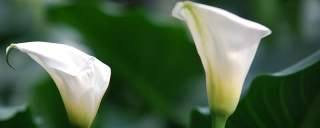
From my perspective as a Peace Lily, the period after my beautiful white flowers have faded is a crucial time of transition. It is not an end, but a shift in my energy cycle. While you may see a browning spathe (the hood-like leaf that surrounds the actual flower spike), I am entering a phase of rest and redirection. Here is a detailed guide on how to assist me during this important time.
The first thing you notice is my once-pristine white flower turning green and then brown. This process, called senescence, is a natural and efficient strategy for me. Maintaining that large, showy spathe requires a significant amount of energy. Now that its purpose of attracting pollinators (though mostly symbolic indoors) is over, it is no longer a productive asset. By allowing it to die back, I can reclaim valuable resources, such as nitrogen and carbohydrates, and redirect them to more critical tasks. Your role in this process is to help me complete it cleanly. Using a clean, sharp pair of scissors or pruners, you should cut the entire flower stem off. Make the cut as close to the base of the plant, down in the soil, as possible. Do not just snip off the brown flower head, as the remaining stalk will simply die back unsightly and could attract pests or disease.
Flowering was an immense effort for me, akin to you running a marathon. I have depleted a considerable amount of the soil's nutrients. To recover my strength and prepare for future growth, I would greatly benefit from a gentle feeding. However, my roots are sensitive and I do not need a strong, stimulating fertilizer meant to force blooms. A balanced, water-soluble houseplant fertilizer (such as a 20-20-20 formula) diluted to half the recommended strength is perfect. This provides me with a balanced diet of nitrogen for leaf growth, phosphorus for root health, and potassium for overall system function. Please feed me only once a month during my active growing season (spring and summer). In the autumn and winter, I am mostly dormant, so you should cease fertilization entirely and allow me to rest.
With the floral display over, my focus turns inward to strengthening my root system and producing new, vibrant leaves. My care requirements remain consistent, but they are now the foundation for my next potential bloom. I thrive in bright, indirect light. A north or east-facing window is ideal. Direct afternoon sun will scorch my leaves, causing yellow or brown patches. My watering needs are simple: I prefer consistently moist soil, but I am highly susceptible to root rot in soggy conditions. The best method is to wait until my leaves just begin to droop slightly, which is my clear signal that I am thirsty. Then, water me thoroughly until it runs out of the drainage holes. I also hail from tropical rainforests, so I appreciate higher humidity. Misting my leaves regularly or placing my pot on a tray of pebbles with water will make me very happy and support lush leaf growth.
You might be wondering if and when I will flower again. With proper care, I typically bloom once or twice a year, often in the spring. The key to encouraging future flowers is the excellent foliage care outlined above. A healthy, mature plant with a strong root system is a plant that has the excess energy to produce flowers. Blooms are a luxury for me, an advertisement of my excellent health. They are triggered by a combination of maturity, good light, and appropriate seasonal cycles. By providing me with stable, optimal care after my flowers fade, you are not just maintaining a leafy houseplant; you are building the foundation for my next spectacular display. Be patient with me; I am gathering my strength for the grand performance to come.