From our point of view, the roots, the container is our entire world. Unlike our cousins in the open ground who can stretch freely in search of moisture and nutrients, our existence is defined by the boundaries of the pot. Therefore, the first and most critical factor is the quality of our home. We despise wet feet! Soggy soil leads to root rot, a swift and unpleasant end. We require a container that provides excellent drainage; this means multiple holes at the bottom are non-negotiable. The size is also crucial. While we are not overly aggressive, we need enough room to establish a healthy root system. A pot that is at least 12 inches deep and wide is ideal for a single plant, giving us space to grow without being lost in a vast, moisture-retaining expanse of soil.
The medium you place us in is our bed, our kitchen, and our breathing apparatus. A standard garden soil is too dense and compact for our container life; it suffocates us and holds too much water. We thrive in a lightweight, well-aerated potting mix. A commercial potting soil designed for containers is a good start, but we would be even happier if you amended it with some perlite or coarse sand to enhance drainage further. A handful of compost mixed in provides a gentle, slow-release source of nutrients, which we appreciate. Think of it as creating a fluffy, nutrient-rich cloud that holds just enough moisture for us to drink but allows excess water to flow away freely, ensuring we always have access to oxygen.
We, the leaves, are the engines of the plant. Our job is to capture sunlight and convert it into energy. For this, we need the right balance of light. Most of us Columbines prefer a location with partial shade, especially in hotter climates. Morning sun with afternoon shade is perfect. It gives us the energy we need without scorching our delicate foliage. Good air circulation around the container is also vital. It helps our leaves dry quickly after rain or watering, preventing fungal diseases like powdery mildew. When it comes to water, consistency is key. Water us deeply when the top inch of soil feels dry to the touch, allowing the water to run out of the drainage holes. Then, let us approach dryness again before the next watering. We are quite drought-tolerant once established, but we will not tolerate being constantly waterlogged.
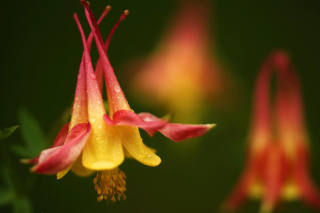
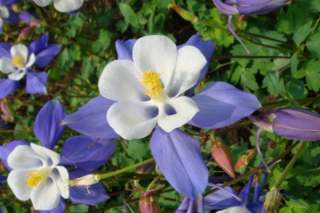
We, the flowers, are the grand finale, the purpose of all the hard work put in by the roots and leaves. To produce our intricate, nodding blooms in spring, we need a little extra support. A balanced, water-soluble fertilizer applied once a month during the growing season is sufficient. Please avoid over-fertilizing, especially with high-nitrogen formulas, as this will encourage excessive leaf growth at the expense of our flowers. After we have finished blooming, you can deadhead us (remove the spent flowers) to encourage a second, smaller flush of blooms and prevent us from putting energy into seed production—unless you want us to self-sow! Remember, many of us are short-lived perennials. After a few years in a container, we may begin to decline. You can extend our life by dividing our clumps every two to three years in the early spring or fall, or you can simply collect our seeds and sow new generations to continue the display.