The most critical difference between an Anthurium leaf and what is commonly called its "flower" is a fundamental botanical one. The broad, colorful part is not a flower petal but a modified leaf called a spathe. The central, tail-like structure is the actual flowering part, known as the spadix. Together, the spathe and spadix form the plant's complete reproductive structure, termed an inflorescence. Therefore, when you admire a classic "red anthurium flower," you are primarily looking at a specialized leaf (the spathe) that serves to attract pollinators to the tiny, true flowers embedded on the spadix.
The spathe is a type of bract, which is a modified leaf associated with a plant's reproductive system. Its primary function is not photosynthesis but pollinator attraction and protection. The spathe is typically large, glossy, and brightly colored—most famously in shades of red, but also pink, white, orange, and even green. Its vibrant color and shiny surface act as a visual signal to potential pollinators like beetles and flies, guiding them toward the spadix. Furthermore, the spathe often has a waxy, durable texture, which helps protect the delicate spadix during its development. While it originates from a leaf bud and shares some structural similarities with a leaf, its role is exclusively tied to reproduction, unlike standard leaves whose primary role is energy production.
The spadix is a fleshy, spike-shaped structure that is the core of the Anthurium's inflorescence. It is covered with hundreds of tiny, perfect flowers, meaning each individual flower contains both male and female reproductive parts. These flowers are minuscule and not designed to be visually impressive. Their function is purely reproductive. The spadix undergoes a fascinating process called proterogyny, where the female parts of the flowers become receptive to pollen before the male parts release their pollen. This timing mechanism helps prevent self-pollination. The spadix may also generate heat or produce subtle scents to further attract specific pollinators. When the flowers are fertilized, the spadix will often develop into a cluster of berries containing the plant's seeds.
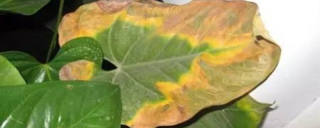
In contrast to the spathe, the standard leaves of an Anthurium plant are dedicated to photosynthesis and transpiration. They are typically heart-shaped (cordate) or lance-shaped, with a deep green color due to the high concentration of chlorophyll. Their large surface area is optimized for capturing sunlight. Structurally, they consist of a leaf blade (lamina) and a long petiole (leaf stalk) that connects it to the main stem. While the spathe is a temporary, showy bract that may change color and eventually wither after the reproductive cycle, the standard leaves are perennial organs essential for the plant's long-term growth and energy production. They lack the specific waxy, colorful specialization of the spathe because their function is entirely different.
To summarize the distinctions clearly:
Standard Leaf: Primary function is photosynthesis. It is typically green, matte or semi-glossy, and long-lasting. It develops directly from the stem to sustain the plant.
Spathe: Primary function is pollinator attraction. It is brightly colored, highly glossy/waxy, and temporary. It is a modified leaf (bract) that supports the inflorescence.
Spadix: This is not a leaf at all but the flowering part of the plant, containing all the reproductive organs. It is the central purpose of the entire inflorescence structure.