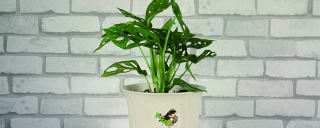
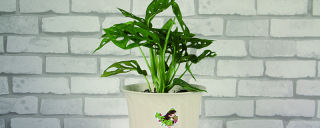
Greetings. I am your Monstera deliciosa, a resilient and generally expressive plant. When you notice small black spots appearing on my leaves, it is my primary way of communicating that my internal systems are under stress. These spots are a symptom, not a disease itself. To understand what they mean, we must look at the underlying causes from my perspective, as a living organism with specific needs.
Often, the trouble begins where you cannot see it: with my roots. My roots need a careful balance of water, air, and space. When this balance is disrupted, I signal distress through my leaves.
Overwatering and Root Rot: This is the most common cause. My roots require oxygen to function. When I am sitting in consistently soggy soil, the air pockets are flooded, and my roots begin to suffocate and die. As they decay, they become susceptible to fungal and bacterial pathogens. These pathogens attack the root system, preventing it from transporting water and nutrients to the rest of my body. The black spots that appear on the leaves are localized tissue death (necrosis), a direct result of this breakdown in my internal plumbing. The spots often start small and may be accompanied by yellowing halos before the entire leaf yellows and wilts.
Underwatering: Conversely, if my soil becomes bone dry for too long, the fine root hairs responsible for water uptake will desiccate and die. When you finally water me, the damaged root system cannot handle the sudden influx, leading to stress and cell rupture. This can also manifest as black or dark brown, crispy spots, typically starting at the leaf edges or tips before appearing in smaller patches.
While overwatering creates the environment for these issues, specific pathogens can be the direct cause of the spots. These are often spread through water splashing or contaminated tools.
Fungal Leaf Spot: Fungi like *Cercospora* or *Anthracnose* can infect my leaves. These often present as small, dark brown to black spots that may have a yellow ring around them. As the infection progresses, the spots can enlarge and develop a concentric ring pattern. High humidity and wet foliage create the perfect conditions for these spores to germinate and invade my tissues.
Bacterial Leaf Spot: This is typically more aggressive. Caused by bacteria such as *Pseudomonas*, it appears as small, dark, water-soaked spots that can quickly enlarge and cause blighting. The spots may feel soft and mushy. Bacteria enter through natural openings or wounds and can spread rapidly through my vascular system if conditions are warm and humid.
My leaves are also sensitive to abrupt changes in my environment or physical harm.
Sunburn: I thrive in bright, indirect light. If I am suddenly moved into direct, harsh sunlight, especially the hot afternoon sun, the UV radiation can scorch my leaf tissues. This damage appears as brown or black, dry, crispy patches, often on the areas most exposed to the light. It is a form of localized cell death.
Physical Damage: Bumping my leaves against a sharp edge, accidental tears, or even damage during transportation can cause bruising. This bruising disrupts the cells below the surface, leading to small black or dark green spots as the damaged tissue breaks down. Pest infestations (like thrips that scrape at the leaf surface) can also create small black specks, which are their excrement.
Low Humidity: While I can tolerate average household humidity, very dry air can stress me, causing the leaf edges and sometimes small spots to turn brown or black and become crispy. This is especially common during winter when heating systems dry out the air.