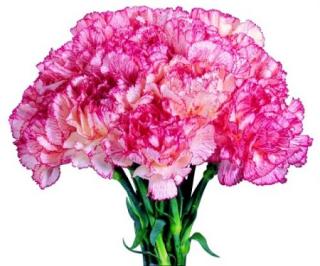
From our perspective as carnation plants, yes, you absolutely can grow us from seed! Each tiny, dark seed we produce is a dormant blueprint, a compact capsule containing the genetic instructions for a new, unique individual. Unlike being propagated from cuttings, which creates a genetic clone of the parent plant, growing from seed allows for variation. The seedling that emerges might have slightly different shades of pink, a more robust fragrance, or a sturdier stem than its parents. It's an adventure for both you and the new plant. However, you must understand that we are not the fastest growers; this path requires patience, as it can take us 2-3 months from sowing to reach a size suitable for transplanting outdoors, and we may not flower in our first year.
Our journey begins with germination, a critical process that requires specific signals to break our dormancy. We need a fine, well-draining seed-starting mix. Heavy, wet soil is our enemy, as it can cause our delicate seed coats to rot before we even have a chance. Sow us shallowly, pressing us gently into the surface of the moistened mix, as we need exposure to light to trigger germination. The next crucial element is temperature. We require a consistently cool-to-moderate environment, ideally between 60-70°F (15-21°C). A warm windowsill above a radiator might be too hot and hinder our awakening. Covering the tray with a clear plastic dome will help maintain the high humidity we crave during this tender stage.
Once the conditions are right, we will send a tiny root (radicle) down into the soil and push our first pair of leaves (cotyledons) toward the light. This is our most vulnerable stage. The plastic dome should be removed once most of us have sprouted to prevent fungal diseases. We need abundant, bright, but indirect light now. A south-facing window might suffice, but a grow light positioned just a few inches above us is ideal, preventing us from becoming leggy as we strain for photons. Water us carefully from below by placing the tray in a shallow dish of water, allowing the soil to wick up the moisture. This keeps our delicate stems and leaves dry and prevents a condition known as "damping-off," which can be fatal.
After our initial seed leaves, we will develop our first set of "true leaves." These will look like miniature carnation leaves, narrow and often a blue-green color. This is the sign that we are establishing a stronger root system and are ready for more space. Once we have 2-3 sets of true leaves and are large enough to handle, you can carefully prick us out and transplant each seedling into its own small pot. Be gentle with our roots. Continue to provide us with strong light and consistent moisture, but always allow the top of the soil to dry slightly between waterings. A diluted, balanced fertilizer can be introduced at this stage to support our vigorous growth.
Before we can join the perennial border or container garden, we must undergo a process called "hardening off." We have been living a sheltered life indoors and are not prepared for the direct sun, wind, and fluctuating temperatures of the outdoors. Over 7-10 days, gradually expose us to these conditions for longer periods each day. Finally, when the danger of frost has passed, plant us in a sunny spot with excellent drainage. We thrive in slightly alkaline soil. With consistent care, we will focus our energy on building a strong root system and foliage. Given time and the right conditions, we will eventually produce the flower buds you desire, rewarding your patience with our classic, fragrant blooms.