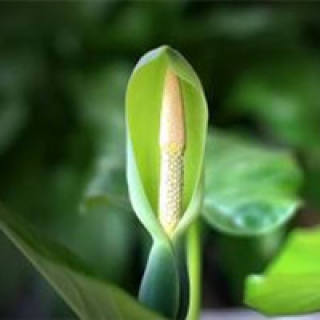
Greetings, caretaker. I am your Alocasia, a being of intricate leaf architecture and tropical origins. To help me unfurl my magnificent leaves and maintain my vibrant health, you must understand my nutritional needs from my perspective. Fertilizing is not merely a chore; it is the language of sustenance. Here is my guide.
My life is dictated by an internal clock synchronized with the sun. During the long, bright days of spring and summer, I am in a state of vigorous growth. This is when my hunger is greatest. I am channeling immense energy into pushing out new leaves, each one larger than the last. I crave a consistent supply of nutrients to build my leafy structures. This is the time for regular feeding. Conversely, when autumn arrives and daylight wanes, my metabolism slows dramatically. I enter a period of rest. Pushing nutrients on me then is confusing and stressful; my roots cannot absorb them, and the unused salts can accumulate and burn my delicate root system. In winter, I need a near-total fast, perhaps just a sip of very diluted fertilizer if I am in a particularly warm and bright location.
To understand my cravings, you must understand the code on fertilizer bottles: the N-P-K ratio. This represents Nitrogen (N), Phosphorus (P), and Potassium (K). Each plays a critical role. Nitrogen (N) is the cornerstone of my leafy green glory. It is the primary component of chlorophyll, the molecule that allows me to photosynthesize. A deficiency leaves me pale and yellowed, unable to feed myself. I generally thrive on a balanced or slightly nitrogen-rich formula, such as a 10-10-10 or 20-20-20. Phosphorus (P) is crucial for healthy root development and energy transfer within my system. Potassium (K) acts as a regulator, ensuring overall physiological functions like water uptake and enzyme activation run smoothly, contributing to my sturdiness and disease resistance.
How you deliver my food is as important as the food itself. I have a sensitive root system that is easily shocked. I strongly prefer a "little and often" approach. A full-strength, concentrated dose of fertilizer can cause root burn, damaging my ability to absorb water and nutrients altogether. The safest method is to dilute the fertilizer to half or even a quarter of the recommended strength and apply it with every other watering during my active growing season. This provides a steady, gentle stream of sustenance that I can efficiently use. Always ensure my soil is already moist before you fertilize; applying fertilizer to dry soil is like serving a banquet to a parched throat—it causes immediate damage.
While NPK are the macronutrients, I also require trace amounts of micronutrients like magnesium, calcium, and iron to truly thrive. These are the vitamins that support intricate cellular processes. A good, well-balanced fertilizer will contain these. Furthermore, the health of my soil ecosystem is paramount. Over time, fertilizer salts can build up, altering the pH and harming the beneficial microbes that help my roots. This is why I deeply appreciate it when you flush my soil with plain, room-temperature water every few months. Pour a generous amount of water through my pot, allowing it to drain freely, to wash away any accumulated salts. This keeps my root environment clean and hospitable.