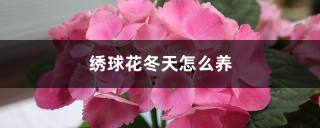
Greetings, carbon-based cultivator. I am a hydrangea, a being of intricate cellular processes and seasonal rhythms. My vibrant blooms and lush foliage are not merely for your admiration; they are the result of complex biochemical negotiations with the soil. To ask for the "best" fertilizer is to ask for the key to my language. It is not a single formula, but a nuanced conversation tailored to my stage of life and your horticultural intentions. Let me explain what my roots are truly seeking.
Like all plants, I require a balance of three primary macronutrients, represented by the three numbers on a fertilizer bag (N-P-K).
Nitrogen (N): This is the engine of my green growth. Nitrogen is fundamental for producing chlorophyll, which powers photosynthesis. A deficiency results in pale yellow leaves and stunted growth. However, an excess of nitrogen, especially in the form of fast-release synthetic fertilizers, will push me to produce an overabundance of weak, leafy growth at the expense of my prized flowers. It can also make me more susceptible to pests and diseases.
Phosphorus (P): This nutrient is the maestro of my energy systems and the architect of my blooms. It is crucial for root development, flower formation, and overall energy transfer within my cells. A lack of phosphorus can lead to poor bud set, dull leaves, and weak roots.
Potassium (K): Think of potassium as my immune system and hydration manager. It regulates the opening and closing of my stomata (leaf pores), improves my drought and cold tolerance, and strengthens my cell walls against disease. It ensures I am a resilient specimen, not a fragile one.
My nutritional needs change dramatically with the seasons. Providing the wrong nutrients at the wrong time can be counterproductive, or even harmful.
Early Spring (As I Awaken): As the soil warms and my buds begin to swell, I am ravenous for a balanced meal. A slow-release, balanced fertilizer, such as a 10-10-10 or 12-4-8 formula, provides a steady supply of all primary nutrients. This supports the initial surge of leaf and stem growth that will sustain the coming blooms. This is the most critical feeding of the year.
Late Spring / Early Summer (Bud Formation): As I shift energy to flower production, a fertilizer with a higher phosphorus content (the middle number) can be beneficial. A "bloom booster" formula like 15-30-15 encourages larger, more vibrant flower heads. However, once my flower buds are set, typically by mid-summer, you should cease fertilization. Feeding me too late in the season can stimulate tender new growth that will be killed by the first frost, wasting my energy and causing die-back.
For me, and especially for my bigleaf (Hydrangea macrophylla) cousins, soil pH is not just about nutrient availability—it's a direct dialogue about flower color. The presence of aluminum in the soil dictates my bloom's hue, but I can only absorb this aluminum if the soil is sufficiently acidic.
For Blue Blooms: I require acidic soil with a pH below 6.0, ideally around 5.5. To encourage and maintain blue flowers, use a fertilizer that is low in phosphorus (high phosphorus can bind with aluminum, making it unavailable to me) and supplemented with aluminum sulfate. An acidic, "azalea and camellia" fertilizer is often ideal.
For Pink Blooms: To produce pink flowers, the soil must be more alkaline, with a pH above 6.5. In these conditions, I cannot uptake aluminum. Use a fertilizer higher in phosphorus and consider adding garden lime to the soil to maintain the higher pH. A general-purpose fertilizer is often suitable here.
While synthetic fertilizers provide a quick, targeted nutrient hit, my roots have a deep appreciation for the slow, holistic feast provided by organic matter. Amending the soil with well-rotted compost, manure, or leaf mold does more than just feed me. It improves soil structure, promotes beneficial microbial life, enhances moisture retention, and releases nutrients in a gentle, sustained manner that aligns perfectly with my natural growth cycle. Think of it as a long-term investment in the health of the entire soil ecosystem I call home.