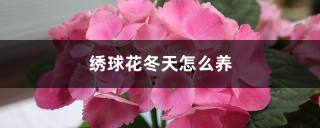
Greetings from the world of Hydrangea macrophylla, or as you likely know us, the bigleaf hydrangea. While we are often seen flourishing in garden beds, we can indeed thrive in the confined space of a container, offering a spectacular display of color on your patio. However, to help us truly prosper, there are several key considerations from our perspective that will ensure our roots are happy, our leaves are lush, and our blooms are bountiful.
First and foremost, our roots despise being waterlogged. A cramped pot with poor drainage is a recipe for root rot, a fatal condition for us. Please choose a container that is at least 16-20 inches in diameter with several substantial drainage holes. This gives our root system ample room to spread and access the water and nutrients we need without sitting in soggy soil. The potting mix is equally critical. We require a high-quality, peat-based potting soil that retains moisture but also drains exceptionally well. A mix formulated for azaleas and rhododendrons, which like similar acidic conditions, is ideal for us.
The name "Hydrangea" comes from the Greek words for "water vessel," which is a strong hint about our needs! Our large, soft leaves lose moisture rapidly, especially on hot, sunny, or windy days on a patio. Potted life means we cannot seek out deeper water sources, so we rely entirely on you. Water us deeply when the top inch or two of soil feels dry. The goal is to moisten the entire root ball until water runs freely from the drainage holes. Avoid frequent, light sprinklings, as this encourages shallow roots. In the peak of summer, this may mean daily watering. A layer of mulch on top of the soil will help us conserve that precious moisture.
Growing in a container means the nutrients in our potting mix are depleted quickly. To support our vigorous growth and large flower production, we need a consistent feeding schedule. However, a high-nitrogen fertilizer will promote an abundance of green leaves at the expense of flowers. We prefer a balanced, slow-release fertilizer or one labeled for blooming plants, which is higher in phosphorus (the middle number on the fertilizer package). Begin feeding us in early spring as new growth appears and follow the product instructions, typically ceasing by late summer to allow us to prepare for our dormant period.
We enjoy bright light but our leaves are susceptible to scorching in intense, full afternoon sun. The ideal location for us on your patio is one that receives gentle morning sun and dappled or partial shade in the afternoon. This provides the energy we need for photosynthesis and flowering while protecting our foliage. Also, consider wind exposure. A consistently windy corner can dry us out very quickly and may damage our stems and large flower heads. A spot with some protection is greatly appreciated.
Unlike our cousins in the ground, our roots in a pot are exposed to freezing temperatures. This is the greatest challenge of container life for us. When winter approaches, you must protect our root system. One effective method is to move our entire pot to an unheated garage or shed after we have dropped our leaves and gone dormant. Water us sparingly throughout the winter, just enough to prevent the soil from becoming dust-dry. If moving us is not possible, grouping pots together and insulating them with bubble wrap or burlap, and placing them in a sheltered location against a building, can provide the buffer we need to survive the cold.