From my perspective, deep within the soil, this month is a time of profound rest. I am just a seed, or perhaps a dormant root cluster, waiting. The cold is not an enemy but a necessary signal. This period of chilling, called vernalization, is crucial for me. It breaks my internal dormancy and prepares me to burst into growth when conditions are right. Above, the world is frozen and quiet, but inside my seed coat, subtle biochemical changes are happening. I sense the shortening days and low light, but they mean nothing to me yet. My entire being is focused on conserving energy, waiting for the sun's warmth to penetrate the soil and tell me it's time.
A change is coming. The angle of the sun shifts, and the soil begins to lose its bitter edge. I feel a slight, consistent warmth that was absent before. Moisture from melting snow seeps down to me. This is the signal! My seed coat softens, and the tiny root (radicle) within me pushes downward, seeking anchorage and water. Simultaneously, my shoot (plumule) orientates itself upward, driven by gravity and the faint promise of light. For established plants, the energy stored in our roots begins to mobilize, sending tentative green shoots towards the surface. We are vulnerable now; a hard freeze can damage these new tissues, so we grow slowly, testing the air.
This is it—the season of rapid growth! The days are longer, the sun is strong, and the soil is consistently warm. My roots spread wide and deep, drinking in the spring rains and gathering nutrients. My stems lengthen quickly, and my leaves unfurl to capture as much sunlight as possible. Photosynthesis is in full swing; I am converting light, water, and air into the building blocks of my entire structure. This is when I need the most support from the environment—consistent moisture and nutrients from the soil are essential to support this explosive growth. I am preparing for my ultimate purpose: reproduction.
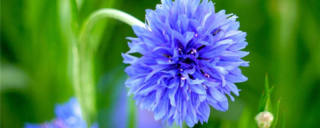
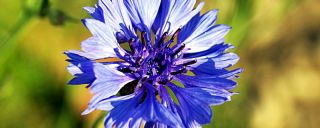
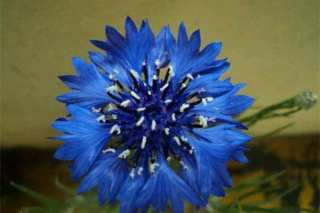
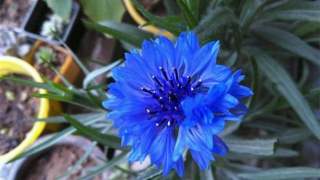
The culmination of my energy arrives. Buds form at the tips of my stems, tightly wrapped and protective. As the summer solstice passes, the long days trigger my flowering response. One by one, my buds open into vibrant blue, pink, white, or purple blossoms. My sole focus now is to attract pollinators. I produce nectar and display my colorful petals as a beacon to bees, butterflies, and other insects. From a physiological standpoint, this is an immense energy expenditure, but it is necessary to ensure the next generation. I am at my most vibrant, but also my most vulnerable to pests that are attracted to my tender petals and foliage.
My petals begin to wilt and fall. The energy that once went into the showy display now redirects to the base of each flower, where the ovary is swelling. Fertilized by pollen, the seeds within me are developing and maturing. My leaves may start to yellow as I pull remaining nutrients back into my root system for storage. The goal is no longer growth but ensuring my seeds are viable. I allow the flower head to dry out on the stem, turning brown and papery. This protects the seeds within until they are ready for dispersal by wind, wildlife, or the gardener's hand.
The air grows crisp, and the daylight fades noticeably. For annual cornflowers, my life cycle is complete. My stems wither, and my seeds scatter or are collected. For perennial varieties, the message from the environment is clear: prepare for winter. Above-ground growth halts completely. The last of my energy is channeled downward into my roots, where it will be stored safely below the frost line. I enter a state of dormancy once more, a deep sleep that protects me from the freezing temperatures above.
Silence and cold envelop the garden. I am dormant, a quiet presence underground. My metabolic processes have slowed to a bare minimum. I am not dead, only waiting. The cycle is complete, and I am poised to begin again when the sun's persistent warmth returns, signaling another year of growth, bloom, and renewal.