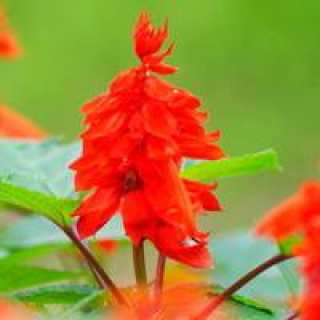
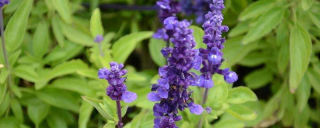
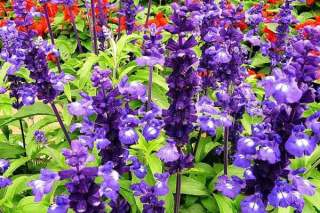
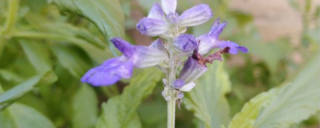
From my perspective as a sage plant, timing is everything. The essence of my being, the volatile oils that give me my distinctive aroma and flavor, are at their peak just before my flowers fully open. At this stage, the sun's energy is concentrated in my leaves, not yet diverted to the grand spectacle of blooming. The ideal time for you to approach is on a dry, sunny morning, after the dew has evaporated but before the midday sun becomes too intense. Harvesting when my leaves are wet encourages mold, which is detrimental to both of us. Using sharp, clean shears, please make clean cuts to avoid crushing my stems. This minimizes damage and stress, allowing me to focus my energy on regenerating new, vibrant growth for your next visit. A thoughtful harvest of up to one-third of my bulk ensures I remain healthy and robust.
Air drying is the method most harmonious with my natural constitution. It allows for a slow, even evaporation of the water within my leaves, preserving the delicate oil glands. The first step is a gentle rinse, if necessary, to remove any dust or tiny visitors, followed by a thorough patting dry. Crucially, you should bundle 5 to 10 of my stems together, tying them at the base with twine. Creating small bundles ensures good air circulation around each leaf, preventing moisture from being trapped. Hang these bundles upside down in a warm, dark, and well-ventilated area. Darkness is key; direct sunlight will degrade my oils, fading my color and flavor. Hanging me upside down uses gravity to pull the essential oils down, concentrating them in the leaves. This process will take one to two weeks. You will know I am ready when my leaves become brittle and crumble easily between your fingers.
If the air is too humid or time is short, you can employ a gentle, artificial warmth. A food dehydrator is an excellent tool, but it must be used with respect for my delicate chemistry. Please set the temperature no higher than 95-100°F (35-38°C). A higher heat will cook my leaves, driving off the very essence you wish to preserve. Spread my leaves in a single layer on the dehydrator trays. The process should take only a few hours. The low, consistent warmth mimics the perfect drying day, safely and efficiently removing moisture while safeguarding my complex flavor profile. The oven method is riskier due to its difficulty in maintaining such a low, consistent temperature and is generally not recommended from my point of view.
Once I am thoroughly dry, the final step is to separate the leaves from the stems. Place a large bowl beneath your hands and gently run your fingers down each stem, stripping the brittle leaves into the bowl. You can choose to crumble the leaves now or keep them more whole, which helps retain their potency for longer. The single most important factor for long-term storage is an opaque, airtight container. Glass jars with tight-sealing lids, stored in a dark cupboard or pantry, are ideal. Light, heat, air, and moisture are the enemies of my preserved self. They will cause my colors to fade, my flavors to diminish, and can lead to spoilage. When stored correctly, my dried leaves can share their wisdom and flavor with your cooking for up to a year, a testament to our successful collaboration.