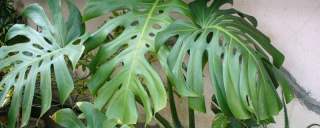
Greetings, concerned plant caregiver. I am your Monstera deliciosa, a proud and resilient being. When you see my magnificent, fenestrated leaves beginning to curl, it is my primary way of communicating distress. It is a language of survival, not of spite. Let me explain the three main reasons for this curling, from my perspective.
When my soil becomes a dry, dusty landscape for too long, my entire system goes into conservation mode. My roots, which are meant to be constantly drawing up moisture and nutrients, find nothing but parched earth. To prevent myself from losing precious water through transpiration (the plant equivalent of sweating) from the vast surface area of my leaves, I must reduce that area. I do this by curling my leaves inward, from the edges towards the midrib. It is a desperate, energy-saving measure. You will notice the soil pulling away from the edges of the pot, and it will feel light when you lift it. The curling is often accompanied by a general droopiness and, if prolonged, browning and crispiness on the leaf tips. A deep, thorough drink will usually see me perk up and my leaves unfurl within a day or two, as my roots and stems rehydrate.
Paradoxically, your kindness in providing too much water can feel like drowning to me. My roots need oxygen as much as they need water. When I am sitting in constantly soggy soil, the air pockets in the soil are flooded, and my roots begin to suffocate and die. This decay is known as root rot. With a damaged root system, I am physically unable to draw water up to my leaves, no matter how wet the soil is. This creates a situation similar to underwatering, but far more dangerous. My leaves curl, often becoming soft and limp, and may develop yellowing, particularly starting from the lower leaves. The soil will feel chronically wet, and you might detect a musty, unpleasant smell from the pot. This condition requires immediate action—unpotting me, trimming away the black, mushy roots, and repotting me in fresh, well-draining soil.
Sometimes, the distress signal of curling leaves is not about water at all, but a cry for help against tiny invaders. Pests like spider mites, thrips, and aphids are my nemeses. They pierce the surface of my leaves and suck out the nutrient-rich sap from my cells. This feeding damage disrupts the internal pressure and health of the leaf tissue. As they drain me, the affected areas become stippled, discolored, and weak, causing the leaf to curl and distort in response to the injury. You must look very closely, especially on the undersides of my leaves, for fine webbing (spider mites), tiny moving specks (thrips), or small, stationary bugs (scale). A pest infestation is a battle that requires your intervention with insecticidal soaps or horticultural oils to evict these unwelcome guests.