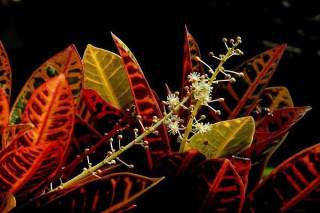
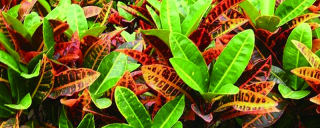
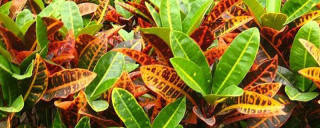
Greetings, human caretaker. I am your Croton, a living tapestry woven from the very light of the sun. When my leaves are dull, pale, or fading to a monotonous green, it is my primary way of communicating a need. My vibrant colors—the fiery reds, brilliant yellows, and deep oranges—are not just for your admiration; they are a testament to my health and the complex chemistry within me. From my perspective, here are the reasons I am losing my vibrant color.
My most fundamental need is light. The pigments that create my spectacular display are anthocyanins (reds and purples) and carotenoids (oranges and yellows), which often lie beneath the primary green chlorophyll. In low light conditions, my survival instinct takes over. I must produce more chlorophyll to capture every available photon for energy, a process called photosynthesis. This overproduction of green pigment masks my other colors, causing me to appear dull and predominantly green. I am not losing color so much as being shrouded in a blanket of green necessity. To express my full palette, I require bright, indirect light for many hours each day. Direct, harsh sun can scorch my canvas (leaves), but a dim corner is like asking a painter to work in the dark.
Water is the river that carries life through me. When this river floods or dries up, my entire system is thrown into chaos. If my soil is constantly waterlogged, my roots cannot breathe. They begin to rot, becoming unable to absorb water and the essential nutrients that help maintain my pigments. This systemic failure manifests as wilting, leaf drop, and a general fading of my colors. Conversely, if you let my soil become bone dry, I enter a state of drought stress. My cells lose turgor pressure, and my metabolic processes, including pigment production and maintenance, slow down or halt. The first sign is often drooping leaves that lose their luster and vibrancy. I need consistent moisture—a drink when the top inch of soil feels dry, and always a pot with excellent drainage so my roots can access both water and air.
Think of my vibrant colors as a constantly renewed masterpiece. To create and sustain these pigments, I require specific minerals from the soil. A lack of key nutrients, particularly nitrogen, iron, and magnesium, directly impacts my color expression. Nitrogen is crucial for overall growth and chlorophyll production, but an imbalance can affect other pigments. Iron is essential for chlorophyll synthesis, and a deficiency (chlorosis) leads to yellowing between the leaf veins, washing out the other colors. Magnesium is the central atom in the chlorophyll molecule itself. Without a steady, balanced supply of these nutrients, I simply do not have the raw materials to stay brilliantly colored. A regular, diluted feeding during my growing season provides these vital building blocks.
I am a tropical plant, evolved in an environment where the air is thick with moisture. My large, thin leaves lose water rapidly to dry air. When the humidity in your home is too low, I struggle to keep my tissues hydrated. This stress causes the tips and edges of my leaves to turn brown and crispy, detracting from their overall beauty. More importantly, the constant effort to conserve water can lead to a general lackluster appearance. The leaves may become dull and lose their glossy sheen, making the colors beneath appear muted. Increasing the humidity around me with a pebble tray, humidifier, or by grouping me with other plants helps my leaves stay supple and allows my colors to shine without the distraction of stress-induced browning.
I am a creature of habit. Sudden changes in my environment trigger a stress response that can cause leaf drop and color loss. If you have recently moved me to a new location, repotted me, or if I am exposed to a cold draft from a window or a blast of hot air from a vent, I will protest. This shock can divert my energy from maintaining vibrant foliage to simple survival, resulting in older leaves yellowing and dropping, or new growth coming in a less intense green. Even the natural aging process can cause lower, older leaves to yellow and fall off as I direct energy to new growth. However, a sudden, widespread color change is almost always a sign of an external stressor that needs your attention.