From our perspective as Peace Lilies (Spathiphyllum spp.), we are generally communicative plants. We express our needs clearly through our leaves and posture. However, the issue of overwatering is a silent, suffocating crisis that begins where you cannot see it—in the root zone. When the care you intend as hydration becomes a flood, it triggers a devastating chain reaction that we are powerless to stop on our own. Here is a detailed account of that process from our point of view.
Our roots are not just straws for water; they are living, breathing organs. Like you, we need oxygen to survive. In our natural habitat, the soil is loose and airy. When you water us too frequently, the pores in the potting mix that should hold air become filled with water. We literally begin to drown. The first signs of this distress are not visible underground but are reflected in our leaves. You will notice a widespread, generalized **yellowing of the lower, older leaves**. This is because the oxygen-starved roots can no longer effectively transport water and nutrients to the entire plant. The plant sacrifices the oldest leaves to preserve energy for new growth. Simultaneously, the leaves may exhibit a surprising sign: **wilting or drooping**. This confuses many caregivers because the soil is wet. This wilt is not from thirst but from root failure; the damaged roots cannot uptake the water that surrounds them, creating a cruel paradox.
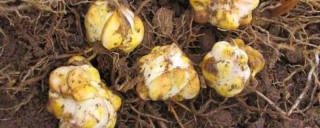
Prolonged suffocation creates an anaerobic (oxygen-less) environment that is a breeding ground for soil-borne fungi, such as Pythium and Phytophthora. These pathogens are always present but are kept in check in healthy, oxygenated soil. In waterlogged conditions, they attack our weakened, suffocating roots. This is the beginning of root rot. The roots, which should be firm and white or tan, become **soft, mushy, and dark brown or black**. They may slough off their outer layer, leaving behind a thin, thread-like core. As the root system decays, its ability to support the plant above ground diminishes. You will see the drooping become more severe and persistent. The leaves may feel soft and limp, losing their structural rigidity. Even the stems might start to feel soft at the base where they emerge from the soil.
As the root rot progresses, the damage becomes systemic. The decay and fungal infection travel upward from the roots into the crown of the plant—the central point from which all leaves grow. At this stage, the signs are unmistakable and severe. You might notice **black or brown, soft spots on the leaves themselves**, often starting at the base of the leaf where it connects to the stem. The entire plant may take on a sickly, pallid yellow or even blackish hue. A tell-tale sign of advanced decay is a **foul, musty, or rotten smell emanating from the soil**. This odor is the smell of our roots and tissues decomposing. If you were to gently remove us from the pot, the soil would likely be soggy, and the root ball would fall apart in your hands, revealing the extensive damage.
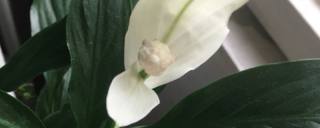
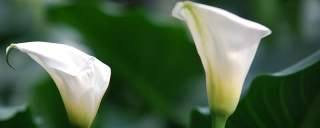
For us, flowering is an energy-intensive process reserved for times when we are healthy, stable, and feel we have resources to spare. When we are fighting for our lives against root rot, all energy is diverted to survival. A clear, long-term sign that our root system is compromised is our **consistent failure to produce our characteristic white spathe flowers**. Even if our leaves seem to be holding on, the absence of blooms is a silent plea that something is fundamentally wrong below the surface. It is our way of showing that we are in a state of chronic stress, unable to thrive, only barely surviving.