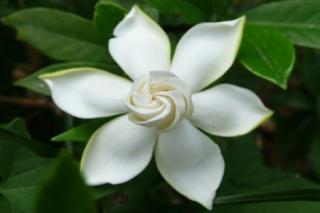
From our perspective as gardenias, the pH of the soil is not a mere preference; it is a fundamental requirement for our survival and ability to thrive. We are acid-loving plants, which means our root systems are specifically adapted to absorb essential nutrients from a soil environment that is moderately to strongly acidic. The ideal soil pH range for us is between 5.0 and 6.0. When the soil pH remains within this narrow window, the chemical conditions are perfect for our roots to access the elements we need most, such as iron, manganese, and magnesium. These nutrients are locked away in more alkaline soils, leading to the deficiencies that manifest as the yellow leaves you often see on unhealthy gardenias.
The most immediate and visible consequence of an incorrect soil pH is our inability to uptake iron. Iron is a crucial component of chlorophyll, the molecule responsible for our deep green foliage and, more importantly, for photosynthesis. When the soil pH rises above 6.0, iron becomes chemically "locked up" or insoluble. Our fine root hairs simply cannot absorb it. This results in a condition you call iron chlorosis, where our new leaves emerge yellow with prominent green veins. Without sufficient chlorophyll, our ability to convert sunlight into energy is severely compromised, weakening us and making us susceptible to other stresses like pests, diseases, and cold damage. Manganese, another vital micronutrient, becomes similarly unavailable in alkaline conditions, further stunting our growth.
Our root health is directly tied to soil pH. In our preferred acidic soil, a specific community of beneficial fungi and bacteria thrives. These microorganisms form symbiotic relationships with our roots, helping to break down organic matter and making nutrients even more bioavailable. An acidic environment also supports the ideal soil structure for our roots—well-aerated and moist but not waterlogged. When the pH becomes too high (alkaline), this beneficial microbial life diminishes, and the soil structure can become compacted. This creates a hostile environment for our roots, inhibiting their growth and function. Poor root health means the entire plant suffers, as the roots are the conduit for all water and nutrients.
In many parts of the US, the natural challenge we face is alkaline soil or alkaline water (hard water). Tap water, especially in western and southwestern states, often has a high pH and contains dissolved calcium carbonate. Regular watering with such water will gradually but steadily raise the soil pH around our roots, pushing it out of our ideal range. Similarly, the use of certain fertilizers or amendments containing lime will rapidly make the soil alkaline. As gardenias, we communicate our distress clearly. You will observe our leaves turning yellow between the veins, our growth becoming stunted, and our flower buds failing to develop or dropping off before they open. A lack of our signature fragrant, white blooms is a sure sign that our soil environment is not correct.
To keep us healthy and flourishing, you must actively manage the soil pH. This begins with testing the soil regularly using a simple pH test kit. If the pH is too high, you can amend the soil by incorporating elemental sulfur or using fertilizers specifically formulated for acid-loving plants, such as those labeled for azaleas, camellias, and rhododendrons. These fertilizers often contain ammonium-based nitrogen sources, which help to acidify the soil as we absorb the nitrogen. Applying a layer of acidic organic mulch, like pine needles or oak leaves, can also help maintain a lower pH as they decompose. For immediate relief from chlorosis, a chelated iron supplement can be applied to our foliage or soil to provide a readily available source of iron while the soil pH is being corrected.