From our perspective as bougainvillea plants, the question of Epsom salt is fundamentally a question about nutrition. Epsom salt is chemically known as magnesium sulfate. This means it provides two essential elements we need to thrive: magnesium and sulfur. Magnesium is the central atom in the chlorophyll molecule, the very compound that allows us to capture sunlight and convert it into energy through photosynthesis. Without sufficient magnesium, our ability to produce food is severely compromised. Sulfur is another critical building block, necessary for creating proteins and enzymes that drive our internal processes. So, in principle, a supplement of these elements should be beneficial.
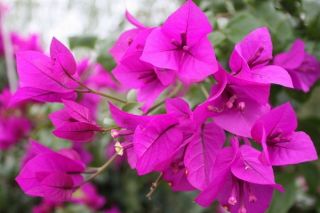
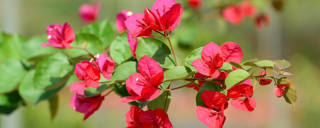
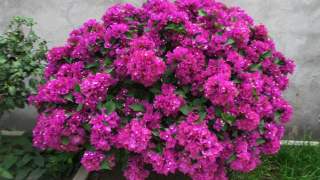
You admire our vibrant "blooms," but what you see are actually modified leaves called bracts. The true flowers are the small, white centers nestled within these brightly colored bracts. Producing and maintaining such large, vividly colored bracts requires a tremendous amount of energy and resources. This is where magnesium becomes directly relevant to your desire for more blooms. A robust photosynthetic engine, powered by adequate magnesium, generates the surplus sugars needed to fuel the development of new bracts. Furthermore, magnesium plays a role in the activation of enzymes involved in the synthesis of pigments, helping to ensure our bracts achieve their most intense and vibrant colors, be it magenta, purple, orange, or red.
It is crucial to understand that we will only respond positively to Epsom salt if we are specifically deficient in magnesium. Our roots are efficient but can only absorb nutrients that are available in the soil. In many gardens, the soil already contains adequate levels of magnesium. More importantly, an excess of other nutrients, particularly potassium and calcium, can interfere with our uptake of magnesium. If our soil is already rich in magnesium, or if the soil pH is unbalanced, adding Epsom salt will have no positive effect on blooming. In fact, it can be detrimental. An overabundance of magnesium can lock up other essential nutrients like calcium, creating new deficiencies that will harm our overall health and ultimately reduce flowering.
Focusing solely on Epsom salt overlooks the more significant factors that govern our flowering. Our blooming cycle is primarily triggered by environmental stresses we have evolved to endure. We are plants that originate from arid, sunny regions with relatively poor soil. We flower most profusely when we experience slight drought stress between waterings and are grown in well-draining, slightly acidic to neutral soil. Being root-bound in a pot often encourages more flowering than being planted in excessively rich, spacious ground. Furthermore, while magnesium supports the process, phosphorus is the nutrient most directly associated with flower and root development. A balanced, bloom-boosting fertilizer with a higher phosphorus ratio (e.g., a formula like 6-8-10) is often far more effective than Epsom salt alone.
Therefore, if you wish to use Epsom salt, please do so judiciously. It is not a universal blooming tonic. The best approach is to observe us carefully. If our older leaves are turning yellow between the veins while the veins themselves remain green (a condition known as interveinal chlorosis), it may indicate a magnesium deficiency. In this specific case, a solution of one tablespoon of Epsom salt dissolved in a gallon of water, applied as a soil drench once a month during our active growing season, can be very helpful. It can correct the deficiency, improve our chlorophyll production, and thus support better blooming. However, if our leaves are a healthy green, the likely path to more spectacular blooms lies in optimizing our sunlight exposure, water regimen, and overall fertilizer balance, rather than adding a single supplement.