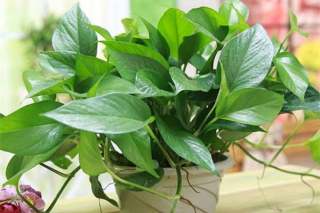
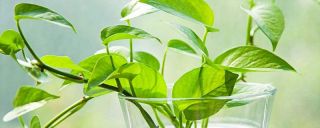
From our perspective as Pothos plants (genus Epipremnum), the idea of an "ideal" environment is not an abstract preference but a biological necessity rooted in our origin. We are native to the tropical understory forests of French Polynesia, specifically the Society Islands. This is the blueprint for our well-being. The conditions there are characterized by consistent warmth and high moisture in the air. Therefore, the ideal temperature and humidity for us are those that most closely mimic this dappled-light, humid, and stable ecosystem. When you provide this, you are speaking our native language, and we respond with the vigorous, healthy growth you admire.
For our metabolic processes, including photosynthesis and nutrient uptake, temperature is a critical regulator. Our ideal temperature range is between 18°C and 29°C (65°F and 85°F). Within this bracket, our cellular enzymes function optimally. We can tolerate occasional dips down to about 10°C (50°F), but this is a survival mode, not a growth mode. Prolonged exposure to temperatures below this can cause chilling injury, leading to black, mushy spots on our leaves as our cell membranes rupture. More dangerous than consistent cool temperatures are sudden drafts or temperature fluctuations from heating vents, air conditioners, or leaky windows. These shocks cause significant stress, often manifesting as sudden yellowing leaves. Consistency is far more important than hitting the exact top of the range every single day.
Humidity, or the amount of water vapor in the air, is directly tied to our most vital function: transpiration. Through small pores on our leaves called stomata, we release water vapor, which pulls water and nutrients up from our roots. In the high humidity of our native habitat (often 60-90%), this process happens gently and efficiently. The ideal relative humidity for us in a home is 50% or higher. When humidity drops too low, especially in heated homes during winter, the dry air pulls moisture from our leaves faster than our roots can replace it. This leads to the crispy, brown leaf tips and edges you may observe. It is a sign of distress. Adequate humidity keeps our stomata functioning properly and our leaves lush and supple.
Temperature and humidity are not independent factors; they work in concert. Warmer air can hold more moisture. This means that if the temperature in our space is at the higher end of our ideal range (say, 27°C or 80°F), the need for higher humidity becomes even more critical. In dry, high heat, our transpiration rate can become dangerously high, leading to dehydration. Conversely, in cooler conditions (closer to 18°C or 65°F), we can tolerate slightly lower humidity levels because our metabolic and transpiration rates are slower. The goal is to avoid the combination of high temperature and low humidity, which is the most stressful condition for us.
We communicate our discomfort clearly through our foliage. Understanding these signs allows you to adjust our environment accordingly. For temperature-related stress, look for stunted growth and leaves that are smaller than usual, indicating slowed metabolism. Yellowing leaves, especially if accompanied by black, mushy stems, often point to cold damage or draft exposure. For humidity-related stress, the primary signal is browning, crispy leaf tips and margins. You may also notice new leaves emerging with a slightly wrinkled or deformed appearance, as low humidity can hinder their proper unfurling and expansion. Curling leaves are another sign that we are attempting to reduce surface area to conserve water.