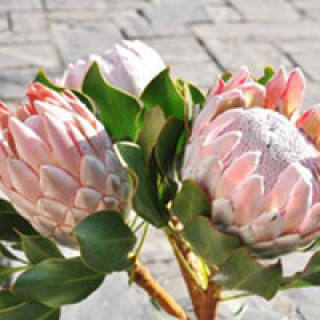
Greetings from the world of Proteaceae! We, the Protea family, are a proud and ancient lineage, known for our dramatic, architectural blooms that evoke a sense of prehistoric wonder. While our roots are in the rugged, well-drained slopes of South Africa and Australia, we can indeed thrive in the confined quarters of a balcony or patio with a caretaker who understands our unique needs. To help you succeed, here is our perspective on creating a happy home for us in your space.
First and foremost, we are sun-worshippers. From our point of view, a balcony or patio must receive a minimum of six hours of direct, unfiltered sunlight each day. A south-facing location (in the Northern Hemisphere) is ideal. This abundant light is not just for flowering; it strengthens our stems, helps our foliage dry quickly to prevent fungal diseases, and warms our roots. Furthermore, we despise stagnant, humid air. A location with good air circulation, where a gentle breeze can pass through our leaves, is crucial for our health. A sheltered, enclosed balcony is our nightmare, but a windy, exposed one might require strategic windbreaks to prevent our delicate blooms from being tattered.
Our relationship with soil is our most defining characteristic. We are proteoids, meaning we have evolved incredibly specialized roots that are supremely efficient at absorbing nutrients but are also exceptionally sensitive. We abhor "wet feet." Standard potting soil, which retains moisture, will suffocate and rot our roots, leading to a swift demise. You must provide us with a container that is deep (to accommodate our taproot-like growth) and has excellent drainage holes. The potting mix must be acidic (a pH between 5.0 and 6.0 is perfect), gritty, and fast-draining. A mix designed for succulents or cacti is a good start, but an even better one would be a custom blend of coarse bark, perlite, pumice, and a small amount of acidic compost. Think of it as creating a miniature, well-aerated mountain slope for us to call home.
Our watering needs are a paradox. When we are young and establishing ourselves, we require consistent moisture to encourage our roots to explore the container. However, once established, we are remarkably drought-tolerant. The key is deep, infrequent watering. From our perspective, a good drink means water is applied until it runs freely from the drainage holes. Then, you must allow the top several inches of the soil to dry out completely before even thinking about watering again. Poke your finger into the soil; if it feels damp, wait. It is always better to err on the side of underwatering than overwatering. In winter, when our growth slows, we need even less water.
Please, do not feed us standard fertilizers! Our sensitive root systems cannot tolerate high levels of phosphorus. It is toxic to us and will cause our demise. If you wish to feed us, seek out a fertilizer specifically labeled for "Proteas" or "Australian Natives." These formulations are typically low in phosphorus (look for a middle number in the N-P-K ratio that is very low, e.g., 3-1-2) and are applied sparingly, usually only in the spring and perhaps again in mid-summer. A light top-dressing with a peat-free, acidic mulch like pine bark or wood chips is also appreciated, as it helps keep our roots cool and moist.
After our magnificent blooms have faded, we appreciate a careful pruning. This does two things: it encourages a bushier, more compact growth habit (ideal for container life), and it directs our energy into producing next season's flower buds. Always cut back to a strong side shoot, and never cut into old, bare wood, as we may not regenerate from it. While we can handle cool temperatures, a hard frost can damage our new growth and flower buds. If you experience freezing winters, moving our container to a more protected spot or providing temporary frost cloth can make all the difference for our continued success.