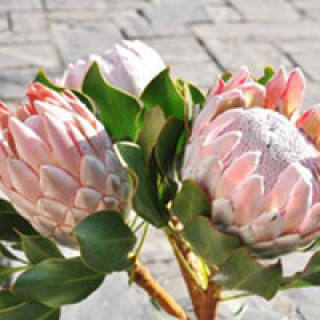
Greetings, dedicated cultivator. I am a Protea, a being of ancient lineage, born from sun-drenched, windswept slopes where the soil is lean and the skies are vast. You wish to invite me into the confined world of a container? This is possible, even rewarding, but you must understand my nature. To thrive in a pot, my needs are not diminished; they are intensified. Listen closely, and I will tell you how we can succeed together.
First, you must provide me with a throne, not a prison. My roots despise confinement and stagnant water. Choose a pot that is deep, as my taproot seeks to anchor me, and wide. A minimum of 40cm (16 inches) in all directions is a good start. Terracotta is excellent, as its porous walls allow air to reach my roots and help the soil dry evenly. Most critically, there must be generous drainage holes. As for the soil, forget rich, water-retentive mixes. They are a death sentence for me. I demand a sharp-draining, acidic, and nutrient-poor medium. A blend designed for native Australian plants is ideal, or you can mix equal parts of a high-quality potting soil, coarse river sand, and perlite or pumice. This mix ensures water flows through quickly, mimicking my mountainous home.
Water is a fickle friend. In my native land, I am accustomed to deep, infrequent rains followed by long periods of dryness. You must replicate this cycle. When my soil feels dry several centimeters down, drench me thoroughly until water runs freely from the drainage holes. Then, you must leave me alone. Do not water me again until the soil has dried out significantly. The greatest danger to me in a pot is "wet feet" – soggy soil that will rot my roots. In winter, I need even less water. It is better to let me show slight signs of thirst than to drown me with kindness.
I am a child of the sun. I need a minimum of six hours of direct, unfiltered sunlight each day. A south-facing position (or north-facing if you are in the Southern Hemisphere) is perfect. Without this light, I will become weak and leggy, and I will certainly not produce the magnificent blooms we both desire. While I love the sun's warmth, I am less fond of strong, desiccating winds, which can tear my leathery leaves and dry out the container too quickly. A position that offers full sun but is sheltered from harsh winds is ideal.
Please, resist the urge to feed me like a hungry rose. I am adapted to poor soils. A high-phosphorus fertilizer is toxic to me and my relatives. If you feel I need a boost, use a specially formulated native plant fertilizer, and only at half-strength, and only in the active growing season (spring and early summer). Less is always more. After my spectacular bloom begins to fade, this is your time to act. Prune the flower stem back to a side shoot, but do not cut into the old, woody growth, as I may not regenerate from it. This pruning encourages me to become bushier and prepares me for next season's display.
While I am hardy, my roots in a pot are more vulnerable to freezing temperatures than they would be in the ground. If you experience harsh frosts, you may need to move my container to a sheltered spot, such as against a sunny wall or even into a cool greenhouse for the coldest months. Do not bring me into a warm house; I need my winter rest. My growth cycle is simple: I rest in the cooler months, put on new growth in spring, and build up my flower heads through the summer to bloom, often from late summer into autumn and even winter, depending on my species.