From our perspective as fuchsia plants, being trained as a standard, or "tree form," is a unique and structured journey. It requires patience and specific care from our gardener, but the result is a magnificent display of our cascading flowers elevated for all to admire. Here is a detailed account of the process from our point of view.
My journey to becoming a standard begins with my very nature. Not all of us fuchsias are suitable for this task. The gardener must select a young, vigorous plant like me, one with a strong, straight, and healthy central stem. This stem will become my trunk. Bushy varieties with multiple stems from the base are not ideal; we need a single, ambitious shoot reaching for the sky. The gardener will carefully remove any side shoots that emerge low down, directing all my energy vertically into this main leader.
As I grow taller, I am inherently flexible and can be prone to bending or breaking. The gardener provides essential support by tying my central stem to a sturdy stake. This stake is my backbone, keeping me straight and true as I develop. The ties must be soft and loose enough to allow for growth but firm enough to offer support. During this phase, my sole purpose is to grow upward. The gardener will consistently pinch out the tip of any side branches that form along the trunk, but they will leave the topmost cluster of leaves untouched. These leaves are my solar panels, fueling my upward growth until I reach the desired height for my "head" or canopy.
Once my central stem has reached the predetermined height—typically between 2 to 4 feet—a significant change occurs. The gardener will pinch out the very top of my growing tip. This simple act signals a dramatic shift in my growth hormones. No longer am I programmed to grow just upward; now, the energy is redirected to the lateral buds just below the pinch. These buds will swell and burst forth, creating the first branches of my future canopy. The gardener will allow several pairs of leaves to develop, and then pinch the tips of these new branches as well. This process of pinching is repeated to encourage dense, bushy, and well-branched growth at the top of my trunk, forming a lush head.
Once my standard form is established, the maintenance regime is critical for my long-term health and beauty. The gardener must remain vigilant, removing any suckers that may sprout from my trunk or base, as these would drain energy from my canopy. My watering needs are specific; I prefer consistently moist, well-draining soil. Being elevated, my root system and canopy can dry out faster than my bush-form cousins, especially on hot, windy days. A regular feeding schedule with a balanced, high-potassium fertilizer is essential to support the immense energy required for my prolific flowering display. During winter, if I am in a cold climate, I will need protection, as my single trunk is more vulnerable to frost damage than a multi-stemmed plant.
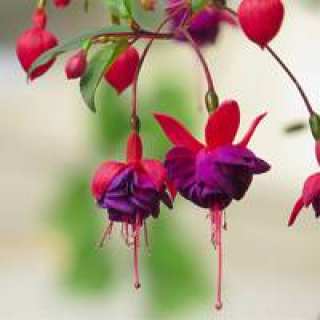
When all the care and training come together, the result is my moment to shine. My well-developed canopy becomes a cascade of delicate, dancing flowers, often compared to ballerinas. Hanging at eye level or above, my blooms are showcased perfectly, creating a stunning focal point in the garden or on a patio. From my perspective, it is a proud existence, a testament to the partnership between the patient gardener and my own resilient nature.