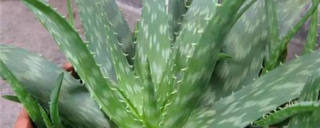
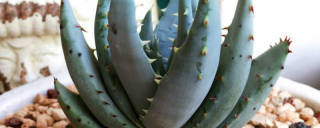
From a physiological standpoint, the ideal temperature range for an indoor Aloe vera plant is between 55°F and 80°F (13°C and 27°C). This range is not arbitrary; it directly corresponds to the plant's metabolic efficiency. Within this band, the enzymes responsible for photosynthesis, respiration, and nutrient uptake operate at their peak efficacy. The plant can efficiently convert light, water, and carbon dioxide into the energy and structural compounds it needs for growth, including the production of the coveted gel within its leaves. Straying significantly outside this range forces these processes to slow down or halt entirely, placing the plant under stress.
A crucial aspect often overlooked is the need for a natural temperature fluctuation between day and night. Aloe vera, like many succulents, utilizes a form of photosynthesis called Crassulacean Acid Metabolism (CAM). To conserve water, CAM plants open their stomata at night to take in carbon dioxide, which is stored as an acid and then used during the day for photosynthesis. This specialized process is highly dependent on a cooler nighttime period. An ideal drop is around 10-15°F (5-8°C) from the daytime high. This cooler period allows for more efficient gas exchange and is vital for the plant's long-term health and vigor, preventing etiolation (weak, stretched growth) and metabolic fatigue.
Understanding the plant's reaction to temperatures outside the ideal range is key to diagnosing problems.
High Temperature Stress (Above 85°F / 29°C): While Aloe can tolerate brief warm periods, sustained heat forces the plant into survival mode. To prevent excessive water loss, its stomata remain closed, effectively shutting down photosynthesis. The soil will also dry out too rapidly, leading to drought stress. The plant's growth will stall, and the thick, fleshy leaves may become thin, wrinkled, and reddish-brown—a sign of sun and heat stress as the plant produces protective pigments.
Low Temperature Stress (Below 50°F / 10°C): This is far more dangerous. Cold temperatures cause the water within the plant's cells to freeze, forming ice crystals that puncture cell membranes. This results in irreversible damage manifesting as soft, mushy, and translucent leaves—a condition akin to frostbite. The plant's cellular processes grind to a halt, and if the central growing point (meristem) is damaged, the plant will likely die.
Aloe vera plants experience a period of dormancy, typically triggered by shorter day lengths and cooler temperatures in the fall and winter. During this time, the plant's ideal temperature range shifts slightly lower, between 50°F and 60°F (10°C and 15°C). This cool, resting period is not harmful; it is a natural and beneficial part of its annual cycle. This dormancy allows the plant to conserve energy and prepare for a new growth spurt in the spring. Watering must be drastically reduced during this cool dormancy to match the plant's halted growth and prevent root rot.