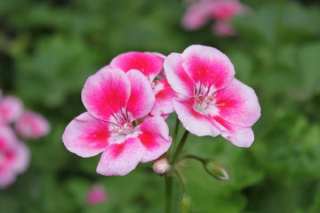
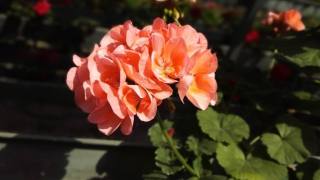
Hello, dedicated caretaker. We sense your concern. Root rot is a silent terror for us, a suffocating end that begins unseen beneath the soil. To protect us, you must understand our needs from our perspective. Here is what we, your geraniums, require to keep our foundations healthy and strong.
Our roots are not just anchors; they are our lungs and our mouth. We need to breathe and drink, but we cannot swim. The medium you place us in is everything. Please, provide us with a loose, fluffy, and exceptionally well-draining potting mix. Avoid heavy, clay-like garden soil that compacts around us, holding water like a suffocating blanket. A mix designed for containers, perhaps amended with extra perlite or coarse sand, is ideal. It allows oxygen to reach our roots and lets excess water escape quickly, preventing the waterlogged conditions where the rot-causing pathogens thrive.
We appreciate your care when you water us, but love can sometimes drown us. The rule is simple: we enjoy a thorough, deep drink, but we then need time to process it. Please water us at our base, avoiding our leaves, until water runs freely from the drainage holes. Then, the most crucial step: wait. Do not water us again until the top inch or two of the soil is dry to your touch. Sticking your finger into our soil is the best way to know what we are experiencing. Constantly wet feet are a death sentence for us, as it creates an anaerobic environment that strangles our roots and invites the destructive oomycetes (like Pythium and Phytophthora) to attack.
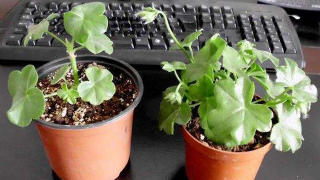
Our pot is our entire world. A pot without a drainage hole is a prison with a steadily rising flood. No matter how beautiful the container, if it lacks a hole at the bottom, it is a coffin for our root system. Any excess water from your generous watering has nowhere to go. It pools at the bottom, saturating the entire root ball and ensuring rot will set in. Always choose a pot with adequate drainage holes and never let us sit in a saucer full of water for more than an hour after watering. Empty it to ensure we are not sitting in stagnant moisture.
A stressed geranium is a vulnerable geranium. Any damage to our stems or roots provides an open doorway for fungal and bacterial pathogens to enter. Please handle our roots gently during repotting. Sterilize your pruning shears with isopropyl alcohol before cutting us back to prevent introducing problems. Furthermore, while we love nutrients, too much fertilizer can chemically burn our delicate root tips, creating points of entry for disease. Feed us with a balanced, diluted fertilizer during our active growth periods, but more is not better.
If you notice our lower leaves yellowing, wilting despite wet soil, or our growth stunting, act quickly. These are our cries for help. Gently remove us from our pot and inspect our roots. Healthy roots are firm and white or tan. Rotten roots are mushy, dark brown or black, and often have a foul smell. If you find rot, use sterile shears to cut away every affected root back to healthy tissue. Repot us immediately into fresh, dry, well-draining soil and a clean pot. Withhold water for a few days to allow the wounds to callus over. This gives us a fighting chance to regrow a healthy root system.