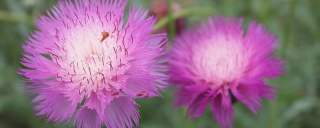
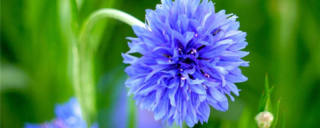
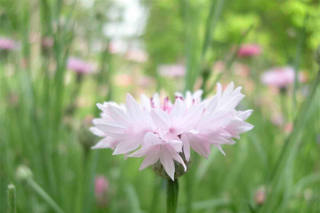
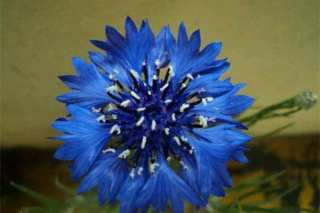
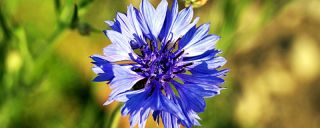
To successfully use Cornflowers (Centaurea cyanus) as cut flowers, one must first understand their botanical nature. These hardy annuals thrive in full sun and well-draining soil, conditions commonly found in many US gardens across USDA zones 2 through 11. The plant's primary goal is reproduction, and its vibrant blue, pink, white, or purple blooms are designed to attract pollinators. Once pollinated, the flower begins to senesce and direct energy into seed production. For the cutting gardener, this means the key to long vase life is harvesting the bloom at its peak, just as it fully opens, before pollination can occur. This captures the flower at its most vibrant point and maximizes the time you can enjoy it indoors.
The timing and method of harvest are critical from the plant's perspective. The ideal moment to cut is in the early morning or late evening when the plant's stems are fully hydrated and temperatures are cool. This reduces transpiration stress, allowing the flower to retain more water post-harvest. Using a sharp, clean pair of pruners or scissors, make a clean, angled cut on the stem. A sharp cut prevents crushing the vascular tissues (xylem and phloem) which are essential for water uptake. Select flowers that have just fully opened, where the central disk florets are visible and fresh. Avoid flowers that are still too tight in bud, as they may not open in a vase, or those that are already shedding pollen, as they are further along in their life cycle.
Immediately after cutting, the flower experiences immense stress as its water source is severed. To mitigate this, have a bucket of lukewarm water ready and place the stems into it without delay. Lukewarm water is absorbed more easily than cold water. Before arranging, it is crucial to condition the stems. Remove most of the leaves and any side shoots that would fall below the waterline in the vase. Submerged foliage will decay rapidly, promoting bacterial growth that clogs the stem's vascular system and shortens vase life. For best results, recut the stems under water to prevent an air embolism from blocking the xylem vessels, and then let the flowers hydrate in a cool, dark place for several hours or overnight before arranging.
To extend the vase life of your cut Cornflowers, create an environment that supports their physiological needs. Use a clean vase filled with a floral preservative solution. The sugar in the preservative provides sustenance, the biocide inhibits harmful bacteria, and the acidifier helps maintain a pH that optimizes water uptake. Keep the arrangement away from direct sunlight, heating vents, ripening fruit (which emits ethylene gas), and drafts. Check the water level daily, ensuring stems remain submerged, and replace the water entirely every two days to keep it fresh and clear of bacteria. With this diligent care, your garden-grown Cornflowers can provide vibrant color and a touch of rustic charm indoors for up to a week or more.