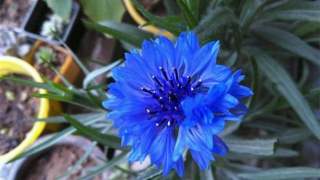
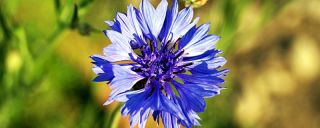
Greetings, human gardener. I am Centaurea cyanus, though you likely know me as the cornflower. If you wish to see my vibrant blue blooms grace your garden, you must understand my needs from seed to flower. Here is my guide to a successful partnership.
I am a sun-worshipper. To thrive and produce my most intense blue pigments, I require a location with full sun—at least six to eight hours of direct light daily. My roots despise being waterlogged, so well-draining soil is non-negotiable. I am not a fussy plant; average soil fertility is perfect. In fact, soil that is too rich will encourage an abundance of foliage at the expense of my beautiful flowers. A neutral to slightly alkaline pH is my preference.
I am a cool-season annual. The optimal time to sow my seeds is in early spring, as soon as the soil can be worked, or even in late autumn where winters are mild. I resent having my roots disturbed, so you should sow me directly into the garden bed where I am to flower. Scatter my small, dark seeds onto the prepared soil surface and press them in gently, no more than 1/2 inch deep. I need light to trigger my germination, so please do not bury me deeply. Space us about 6 to 12 inches apart to give each plant room to branch and breathe.
With consistent moisture and soil temperatures around 60-68°F (15-20°C), my seedlings will emerge from the earth in 7 to 14 days. The first leaves you see (cotyledons) are slender. Soon after, my true leaves, which are longer and more characteristic of my species, will appear. During this vulnerable stage, it is crucial to keep the soil lightly moist but not saturated. Once my roots are established, I become remarkably drought-tolerant.
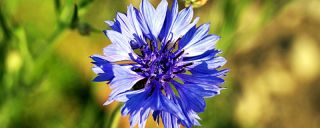
I grow quickly. From germination, I will mature and begin to form my distinctive buds within 6 to 8 weeks. My flower heads are actually composites of many small florets, with the showy, radiating petals being sterile to attract your pollinator friends. I will bloom profusely from late spring through the summer. To encourage continuous flowering, you must deadhead me—remove the spent blooms. This prevents me from putting energy into seed production and tells me to keep creating more flowers.
Once I am established, I require very little care. Water me during prolonged dry spells, but otherwise, I am self-sufficient. If you allow my final blooms of the season to mature and set seed, I will gladly self-sow for the following year. The seeds will drop to the earth, overwinter in the soil, and germinate when conditions are right again in spring, ensuring my legacy continues in your garden with minimal effort on your part.