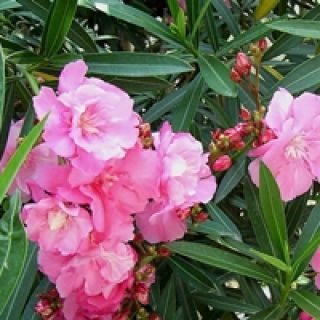
From my perspective as an oleander (*Nerium oleander*), I am a sun-worshipping, Mediterranean-climate shrub. My fundamental needs are non-negotiable for long-term survival indoors. I crave abundant, direct sunlight for a minimum of six to eight hours daily. This energy fuels my growth and the production of my vibrant flowers. I also require a well-draining soil mix; my roots despise sitting in constant moisture, which leads to fatal root rot. While adaptable, I prefer warm conditions and will struggle in consistently cold drafts. Understanding these core needs from my point of view is the first step to a successful indoor coexistence.
The single most important factor for my indoor health is light. A south-facing window is my ideal location. An east or west-facing window can be adequate, but you must monitor me for signs of light starvation. If I begin to exhibit leggy growth, with elongated stems and large gaps between leaves, or if I fail to produce any blooms, I am clearly telling you I am not receiving enough photons. Without sufficient light, my metabolic processes slow, I cannot photosynthesize effectively, and I become weak and susceptible to pests and disease. In darker winter months or in homes with poor natural light, you must supplement with a strong full-spectrum grow light placed close to my foliage.
My pot and soil are my entire world. I need a container with excellent drainage holes and a potting mix that is airy and fast-draining. A standard potting soil amended with perlite, coarse sand, or pine bark is perfect. This prevents water from pooling around my roots. When watering, I prefer a thorough drench. Please water me until it flows freely from the drainage holes, then allow the top few inches of soil to dry out completely before watering again. I am drought-tolerant, so I would much rather you err on the side of underwatering than overwatering. Soggy soil suffocates my roots, creating an anaerobic environment where harmful fungi thrive.
I enjoy the same temperatures you do, thriving in average room temperatures between 65°F and 80°F (18°C - 27°C). I am sensitive to cold drafts from windows or doors in winter and hot, dry air blowing from heating vents. While I am adaptable to average household humidity, very dry air can sometimes encourage spider mites. A occasional light misting or a pebble tray with water beneath my pot can help. I also benefit from spending the summer outdoors in a sunny spot. This boost of fresh air and maximum light exposure strengthens me and encourages prolific blooming. Just remember to acclimate me gradually to the brighter outdoor conditions to avoid leaf scorch.
It is an essential part of my nature to be toxic. I contain potent cardiac glycosides in all my parts—leaves, stems, flowers, and sap. This is my defense mechanism against herbivores. When you place me indoors, you must consider this from the perspective of a guardian. I should be positioned well out of reach of curious children and pets who might be tempted to chew on my foliage. Always wear gloves when pruning me or handling my cuttings, as my sap can cause skin irritation. Wash your hands thoroughly afterward. My beauty comes with this inherent responsibility for any caretaker.