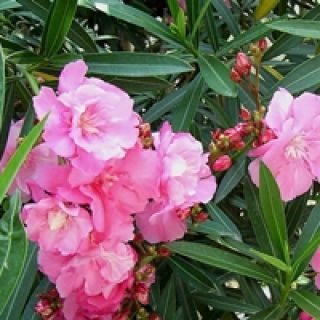
Oleander (Nerium oleander) is a popular ornamental shrub prized for its drought tolerance and prolific, colorful blooms. However, all parts of the plant are highly toxic to pets (and humans), containing cardiac glycosides that can cause severe illness or fatality if ingested. For pet owners, the risk far outweighs the aesthetic benefits, necessitating the selection of visually appealing yet completely safe plant alternatives for a garden environment.
When choosing alternatives to oleander, the primary criterion is non-toxicity, verified by sources like the ASPCA's toxic and non-toxic plant list. Ideal substitutes should also share some of oleander's desirable horticultural traits, such as producing abundant flowers, thriving in sunny conditions, and requiring relatively low maintenance. This ensures the garden remains vibrant and manageable without compromising pet safety.
Several stunning shrubs offer spectacular blooms without the associated risks. The Rose (Rosa spp.) is a classic choice, with thousands of varieties offering a wide range of colors, sizes, and fragrances. They are non-toxic to cats and dogs. Another superb option is the Camellia (Camellia japonica or sasanqua), which provides lush, evergreen foliage and beautiful rose-like flowers in cooler seasons. For a tropical flair, the Hibiscus (specifically Hibiscus rosa-sinensis) is safe for pets and produces large, dramatic flowers throughout the summer.
Beyond flowering shrubs, many plants provide structure and visual interest. For hedging or screening similar to oleander, consider the Bamboo Palm (Chamaedorea seifrizii) or Areca Palm (Dypsis lutescens), which are non-toxic and add a tropical feel. Various hardy herbs also serve as excellent ground cover or border plants. Rosemary (Salvia rosmarinus) is a drought-tolerant, sun-loving evergreen shrub that is safe for pets and useful in cooking. Lavender (Lavandula) is another aromatic, pet-friendly choice that deters insects.
While plant selection is paramount, other garden practices enhance safety. Avoid using cocoa bean mulch, which contains theobromine (similar to chocolate) and is toxic if ingested by dogs. Opt for pet-safe mulch like shredded pine, cedar, or hemlock. Furthermore, even non-toxic plants can cause mild gastrointestinal upset if a pet consumes a large amount, as they are not part of a normal diet. Therefore, providing pets with their own designated grassy area and ample toys can help deter them from chewing on garden plants altogether.