From a botanical perspective, the genus *Aquilegia*, commonly known as columbine, represents a fascinating and diverse group of herbaceous perennials within the family Ranunculaceae. Their intricate flower morphology and wide range of variations are a result of both evolutionary adaptation and extensive horticultural cultivation. The following sections detail the primary varieties and the mechanisms behind their coloration.
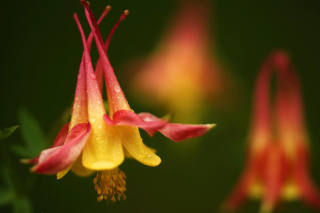
The genus *Aquilegia* comprises approximately 60-70 species, which are the foundation for all cultivated varieties. Key species notable for their contribution to garden hybrids include: *Aquilegia canadensis* (Canadian or American Columbine), featuring red and yellow nodding flowers; *Aquilegia vulgaris* (European Columbine), known for its short-hooked spurs and shades of blue, purple, pink, and white; *Aquilegia chrysantha* (Golden Columbine), which boasts long-spurred, bright yellow flowers; and *Aquilegia flabellata* (Fan Columbine), a compact species with blue-white nodding blooms. These species have been extensively hybridized to create the vast array of modern cultivars available today.
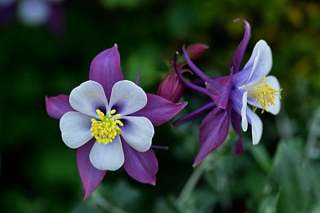
The columbine flower is uniquely structured, consisting of five sepals, five petals, and an elaborate funnel of stamens. Each petal forms a hollow, backward-projecting spur, which is a key identifying feature. The length, shape, and orientation of these spurs vary significantly between species. Spurs can be long and straight (e.g., *A. chrysantha*), short and hooked (e.g., *A. vulgaris*), or virtually absent. This morphological diversity is primarily an evolutionary trait for pollination specificity, with different spur lengths accommodating the tongues of specific pollinators such as hummingbirds, hawkmoths, or bees.
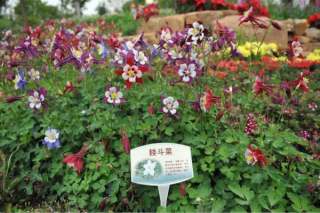
The dazzling array of columbine colors is produced by plant pigments present in the sepals and petals. The two primary classes of pigments involved are anthocyanins and carotenoids. Anthocyanins are responsible for the blue, violet, purple, red, and pink hues. The specific pH and presence of metal ions in the cell vacuoles can shift the color expression from red to blue. Carotenoid pigments provide the vibrant yellows and oranges seen in species like *A. chrysantha*. Through selective breeding, horticulturists have amplified and combined these pigments, leading to cultivars with deep plum, nearly black, bright red, and soft pink flowers, often with contrasting corollas and spurs.
Horticulture has expanded the natural variation into several popular series. The ‘McKana Giant’ and ‘Songbird’ hybrids are renowned for their very long spurs and large, bi-colored flowers in a wide mix of colors. The ‘Barlow’ series, derived from *A. vulgaris*, features double flowers with no visible spurs, giving them a rose-like appearance in deep, somber shades. The ‘Origami’ series offers a more uniform, compact plant with upward-facing flowers in a cohesive color mix. These cultivated varieties showcase the immense plasticity and ornamental potential of the *Aquilegia* genus.