While the number of stalks in a lucky bamboo arrangement is deeply rooted in cultural symbolism and Feng Shui principles, the plant itself, Dracaena sanderiana, is a fascinating subject from a purely botanical perspective. Its growth habits and physiology are what ultimately allow it to be trained and arranged into the meaningful stalks we recognize.
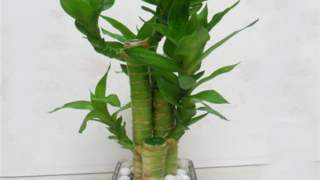
From a plant science viewpoint, what is commonly called a "stalk" is typically a single cane or stem cutting of Dracaena sanderiana. These are not separate plants in the sense of individual root systems but are often propagules. Lucky bamboo is almost exclusively propagated vegetatively through stem cuttings. A section of the stem, containing at least one node (the raised ring on the stalk), is placed in water or soil. The node contains meristematic tissue, which is capable of generating new roots and shoots. Therefore, each "stalk" in an arrangement is a genetically identical clone that can develop its own root system, making it a self-sustaining unit within the larger composition.
The plant's remarkable ability to thrive in water-based environments is key to its use in multi-stalk arrangements. Its roots are adapted to absorb dissolved minerals and oxygen directly from the water. When multiple stalks are placed together in a single container, they coexist without competing for space in the same way they would in soil, as their roots intermingle freely in the aquatic solution. The plant's growth pattern is also influenced by phototropism (growing toward light) and gravitropism (growth in response to gravity). Growers manipulate these factors to create the iconic straight and spiraled forms by rotating the plant and controlling light source direction during early growth stages.
Botanically, the number of stalks that can be healthily sustained in one arrangement is limited by physical constraints, not symbolism. The primary limiting factor is resource availability. A high density of stalks in a small volume of water can lead to competition for dissolved nutrients, potentially necessitating more frequent fertilization. Furthermore, a crowded container can lead to poor air circulation around the stems, increasing the risk of fungal or bacterial infections, and can entangle root systems, making it difficult to separate stalks later. The size and shape of the container must provide adequate physical support and hydration for the collective root mass to ensure the entire arrangement remains healthy and vibrant.
The longevity of a lucky bamboo arrangement, regardless of stalk count, is a testament to the plant's hardy physiology. It is a resilient species tolerant of low light conditions and capable of storing energy in its sturdy stems. This inherent toughness is the biological foundation for its cultural reputation as a bringer of longevity and perseverance. A healthy stalk, identified by its deep green color and firm texture, can live for many years, and the ability to propagate new stalks from the original plant further extends its life cycle, symbolizing continuous growth and renewal from a botanical standpoint.