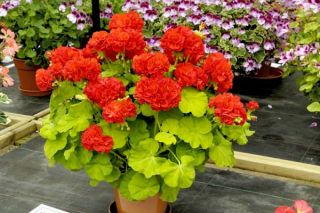
From our perspective, light is life. We geraniums crave bright, direct sunlight for at least 4-6 hours a day. A south or west-facing windowsill is our perfect apartment. Without enough light, we become leggy and weak, our stems stretching desperately for more sun, and we simply won't have the energy to produce those vibrant blooms you love. When it comes to our foundation, well-draining soil is non-negotiable. We despise having our roots sit in constant moisture; it leads to a fatal condition called root rot. A standard potting mix with a handful of perlite or coarse sand mixed in creates the perfect, airy home for our root systems to thrive without drowning.
Please, do not love us to death with water. Our watering needs are simple: we prefer a good, thorough drink followed by a period of drought. Push your finger about an inch into the soil. If it feels dry, it's time to water. Soak the soil completely until water runs freely out of the drainage holes at the bottom of the pot, then empty the saucer underneath. Then, leave us alone until the soil is dry again. This cycle of "soak and dry" mimics the natural bouts of rain we would experience in our native habitat and encourages us to grow strong, healthy roots as we search for the remaining moisture.
While we are not overly greedy plants, a little fuel helps us put on our best flowery show. During our active growing season (spring and summer), a monthly meal with a balanced, water-soluble fertilizer diluted to half-strength is perfect. Look for a formula where the middle number (phosphorus) is a bit higher to encourage blooming. Please, do not overfeed us, especially in the winter. When the days grow shorter and cooler, we are trying to rest. Fertilizing us then is like being offered a heavy meal right before bed—it’s stressful and can harm our roots.
This might seem counterintuitive, but for continuous blooms, you must regularly "deadhead" us. This means snipping off the entire spent flower stalk at its base, not just the wilted petals. When a flower fades and begins to form a seed head, it signals to us that our reproductive job is done, and we stop producing new flowers. By removing the old bloom, you trick us into trying again, redirecting our energy into creating fresh new buds. Also, don't be afraid to pinch back the tips of our stems, especially in early spring. This makes us grow bushier and fuller, rather than tall and spindly.
As the sunlight fades in autumn, we naturally begin to slow down. You might notice our growth stalling and our flowering ceasing. This is not a sign of sickness but a necessary period of dormancy. We need this rest. Move us to a cooler spot in your home, perhaps a slightly drafty window away from heating vents. Water us much more sparingly, only enough to prevent our soil from turning into a dust bowl and our stems from shriveling completely. We will look a bit ragged, but come spring, with more light and warmer temperatures, we will reward your patience with a burst of vigorous new growth.