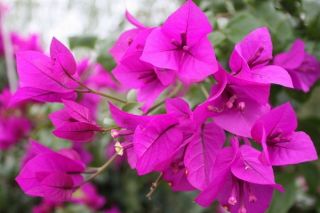
From the plant's point of view, the primary purpose of any flower is reproduction. Once a Bougainvillea flower (which are actually the small, white true flowers surrounded by the colorful bracts) has been pollinated and begins to fade, its biological directive shifts. The plant will start to channel energy into developing seeds within the spent flower structure. This process of seed production is metabolically expensive, drawing upon the plant's finite reserves of carbohydrates and nutrients. By deadheading—removing these spent blooms—you are effectively interrupting this seed-setting process. This redirects the plant's energy away from fruit and seed production and back into vegetative growth and, crucially, the creation of new flower buds. For the Bougainvillea, this means a conservation of resources that can be invested in its next vibrant display of colorful bracts.
Bougainvilleas are photoperiodic, meaning their flowering cycle is triggered by specific day lengths. However, they are also prolific bloomers that can flower repeatedly under the right conditions. The plant's hormonal system plays a key role here. The development of seeds produces hormones like auxins that can suppress further flower initiation. By deadheading, you remove this source of inhibitory hormones. This signals to the plant that its attempt at reproduction was unsuccessful, encouraging it to try again by producing more flowers to attract pollinators. Therefore, consistent deadheading directly promotes a continuous flowering response rather than a single, seed-setting event, leading to a longer and more visually impressive blooming period from the plant's lifecycle perspective.
While not as critical for disease prevention as in denser plants, deadheading benefits the Bougainvillea's overall health and form. Spent, withered flowers and bracts can sometimes become lodged in the canopy or fall onto the soil below. If conditions are humid, this decaying organic matter can harbor fungal pathogens or pests, potentially creating a point of infection that could stress the plant. Removing this material helps maintain a healthier microenvironment around the stems and leaves. Furthermore, a canopy free of brown, crispy spent blooms allows for better light penetration and air circulation throughout the plant, which is beneficial for the photosynthesis performed by the leaves and reduces the risk of foliar diseases.
The act of deadheading is, in essence, a very light and specific form of pruning. The typical instruction is to trim the flower stem back to a point just above a leaf or a minor lateral stem. This precise cut does more than just remove the old bloom; it stimulates growth from the node below the cut. For the Bougainvillea, this encourages the plant to become bushier and more compact, developing more lateral branches. Since flowers develop on new growth, this increased branching directly results in more potential sites for future flower clusters to emerge, creating a denser and more floriferous plant. This structural benefit supports the plant's natural inclination to grow vigorously and cover space with its vibrant color.