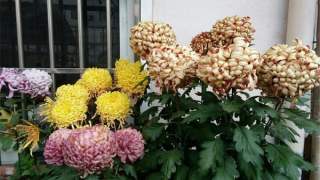
From our perspective as potted mums, our watering needs are not dictated by a fixed schedule but by our environment and growth cycle. Our root systems are confined, unable to seek out moisture like our in-ground cousins, making us entirely dependent on you. Our primary goal is to support vibrant blooms and lush foliage, which requires a consistent and careful balance of moisture. Too little water and we wilt, our blooms fade prematurely, and our roots desiccate. Too much water, however, is often more dangerous; it suffocates our roots, invites rot, and can be fatal.
The most reliable method to determine if we need water is to physically check the soil. Please insert your finger about one to two inches into the potting mix. If the soil at that depth feels dry to the touch, it is time for a thorough watering. If it still feels cool and moist, please wait and check again later. This simple test tells you exactly what we are experiencing in our root zone, preventing both underwatering and the common mistake of overwatering based on a calendar date.
Several external factors drastically alter how quickly we use water. On hot, sunny, or windy days, we transpire moisture much faster and will likely need water daily, sometimes even twice daily if we are in a small pot and conditions are extreme. Conversely, during cool, cloudy, or rainy periods, our soil will remain moist for much longer, and we may not need water for several days. Our pot size and material also matter; we dry out faster in small, porous terracotta pots than in large, plastic containers.
Our life stage significantly impacts our thirst. During our active growing and blooming season in the autumn, we are working hard and require consistent moisture to sustain our flowers. After you have purchased us and we are in full bloom, we are at our peak water demand. However, if you choose to keep us after flowering, our needs change. In dormancy, our water requirements drop dramatically. The goal during winter is to keep the soil barely moist to prevent our roots from completely drying out, which means watering very infrequently.
When we are thirsty, we appreciate a deep, thorough watering. Apply water slowly at the base of our plant, avoiding wetting our leaves and flowers, as this can promote disease. Continue until you see water escaping freely from the drainage holes at the bottom of the pot. This ensures that the entire root ball has been evenly moistened. It is absolutely crucial that our pot has these drainage holes; sitting in a saucer of water is detrimental to our root health. Always empty the saucer after watering to prevent us from sitting in stagnant water.