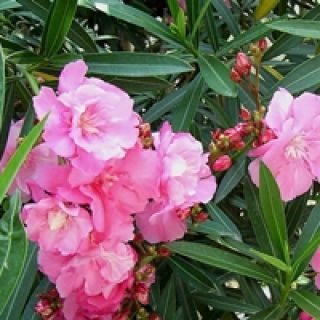
From our perspective as members of the plant kingdom, the potent toxicity found in all parts of our Oleander species (Nerium oleander) is not a malicious trait but a highly evolved and successful defense strategy. Our beautiful flowers, evergreen leaves, and robust nature have allowed us to thrive in various climates, but our primary key to survival is the complex cocktail of cardiac glycosides we produce. These compounds are our shield against herbivores, from insects to large mammals, ensuring that we are rarely consumed and can allocate our energy to growth and reproduction rather than constant regrowth from predation.
Our primary defensive compounds are cardiac glycosides, chiefly oleandrin. These chemicals are present in every part of our being: the sap, leaves, stems, flowers, and even the seeds. Their function is to disrupt the sodium-potassium pump in cell membranes, a mechanism critical for proper nerve and muscle function, especially the rhythmic contractions of the heart. For us, this is a passive defense; we do not actively inject it. The risk arises when humans or animals ingest any part of our plant, inhale smoke from our burning clippings, or use our stems as skewers for food, inadvertently transferring the toxins.
While our toxins effectively deter most wildlife, curiosity or hunger can lead to tragic outcomes. Herbivores like horses, cattle, and sheep may browse on our foliage if other forage is scarce, often with fatal results. Even a small number of leaves can be lethal to a large animal. Dogs, cats, and other smaller pets are also at extreme risk from even minor ingestion. From our standpoint, this is an unfortunate intersection of their exploratory behavior and our primary survival mechanism. We also pose a significant threat to birds and other creatures that might nest in our branches or be attracted to our nectar, though some insects have developed a resistance to our toxins.
The greatest risk to humans stems from a lack of awareness or misidentification. Children are particularly vulnerable, as our brightly colored flowers and seed pods can be tempting to taste. There are historical accounts of using our branches for makeshift cooking skewers, which transferred enough toxin to the food to cause severe illness. Furthermore, the smoke from burning our clippings is dangerously toxic and can cause severe respiratory and cardiac reactions if inhaled. We do not wish to cause harm, but our defensive nature is absolute and does not discriminate between intentional and accidental consumption.
Our existence is not incompatible with yours, but it requires respect and understanding. The most effective way to mitigate the risk we pose is through education and prudent landscaping choices. Planting us away from areas frequented by children and pets, such as playgrounds or gardens, is a simple preventative measure. Always wear gloves when handling us to avoid sap contact with eyes or mouth, and never, under any circumstances, burn our clippings. Proper disposal and clear labeling can prevent most accidental exposures, allowing you to appreciate our beauty from a safe distance.