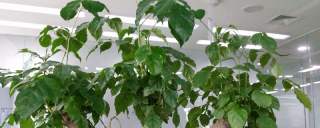
The plant commonly known as the Guiana Chestnut or Money Tree is scientifically classified as Pachira aquatica. It belongs to the Malvaceae family, which also includes plants like hibiscus and cacao. Native to the freshwater swamps and wetlands of Central and South America, it is a tropical wetland tree that can grow over 18 meters (60 feet) tall in its natural habitat. In cultivation, particularly as a houseplant, it is prized for its manageable size when grown in containers and its distinctive braided trunk. The "Money Tree" common name is not derived from its botanical characteristics but from a commercial marketing story; however, its association with prosperity is now a key part of its cultural identity.
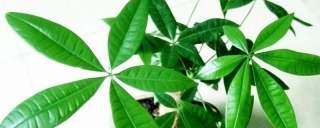
From a botanical perspective, the Guiana Chestnut possesses several unique and symbolic physical traits. Its most recognizable feature is its often braided trunk, which is a horticultural practice performed when the young, flexible stems of several plants are woven together. As they grow, they fuse into a single, thick, and intricately braided base, symbolizing the intertwining of fortune and longevity. The plant is also celebrated for its lush, palmate compound leaves. Typically, each leaf grouping (a single leaf) radiates with five to seven glossy, lance-shaped leaflets from a central point. In symbolism, the number five is highly significant in Chinese philosophy, representing the five elements of Feng Shui: Wood, Water, Earth, Fire, and Metal, which is why the five-leaf stem is considered particularly auspicious.
The biology of Pachira aquatica reveals a plant built for resilience and abundance, traits that reinforce its symbolic meaning. As a wetland species, it has adapted to tolerate and even thrive in occasionally flooded conditions, symbolizing an ability to flourish despite challenges. This resilience translates well to its life as a houseplant, where it is known for being relatively hardy and forgiving of occasional neglect. Furthermore, the tree produces large, striking flowers with long, creamy-white petals and a showy cluster of hundreds of bright red stamens. These flowers eventually develop into large, woody, olive-brown seed pods that contain edible nuts, showcasing a clear symbolism of growth, production, and tangible yield from careful nurturing.
While the "money" association is apocryphal, the plant's growth habits provide a solid foundation for its symbolism. The upward-reaching, vibrant green foliage represents vigorous growth, vitality, and the upward trajectory of one's fortune or career. The braided trunk is not just decorative; it represents the secure binding of good luck and positive energy within the home or workplace, preventing it from dissipating. In the practice of Feng Shui, the plant is believed to activate positive "chi" or energy, particularly associated with wealth and good health. Therefore, from a purely plant-based viewpoint, its robust nature, prolific growth, and unique cultivated form provide a powerful natural metaphor for prosperity, stability, and resilience.