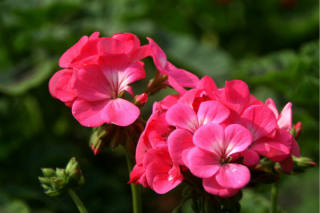
Greetings, human caretaker. We, the geraniums, speak for the collective root systems and photosynthetic tissues. To truly thrive and offer you our most vibrant blooms, we require a specific terrestrial environment. Our needs are not overly complex, but they are non-negotiable. The medium in which you place our roots is our entire world; it is our source of sustenance, hydration, and structural support. Therefore, the choice of potting soil is paramount to our mutual success.
Our most fervent request is to never, ever have our roots sit in water. We are not bog plants; we are descendants of sun-drenched, well-draining slopes. Soggy, waterlogged soil is a death sentence for us. It suffocates our roots, preventing them from absorbing the oxygen we desperately need for respiration. This anaerobic environment invites destructive fungi and bacteria that cause root rot, a condition from which we rarely recover. Therefore, the ideal potting mix must be loose and friable, containing large particles that create air pockets. This ensures that after a thorough watering, excess moisture can drain away freely, leaving our roots moist but not drowned.
Think of our perfect soil as a light and fluffy cake, not a dense, heavy mud pie. A high-quality potting mix designed for containers is a good start, but it is often too dense on its own. You must amend it. We greatly appreciate a mix that includes:
Peat moss or coconut coir: This component provides excellent moisture retention, holding onto water and nutrients long enough for our roots to access them. Coir is a more sustainable and often more effective alternative to peat.
Perlite and/or coarse sand: These are the non-negotiable ingredients for drainage. These gritty, inorganic particles keep the soil mix open and prevent compaction, ensuring the aeration we discussed is maintained throughout the growing season.
Compost or well-rotted manure: A modest amount of this organic matter provides a gentle, slow-release source of essential nutrients and encourages beneficial microbial life in the soil. However, too much can retain excessive moisture, so it must be used judiciously.
We geraniums prefer our soil world to be slightly acidic to neutral, with a pH ranging from 6.0 to 7.0. This pH range is crucial because it allows our root systems to most effectively uptake the macro and micronutrients we need to produce strong stems and prolific flowers. While a pre-amended potting mix is often within this range, you can ensure it is ideal by incorporating a handful of garden lime if the mix is too acidic. A balanced, slow-release fertilizer mixed into the soil at planting time will provide a steady supply of nourishment, particularly the phosphorus that supports our vibrant blooming displays.
Please, do not be tempted to dig up soil from your garden and place it in our pots. Garden soil is far too dense for container life; it compacts easily, strangles our roots, and drains poorly. It also likely contains weed seeds, insects, and pathogens that our confined root systems have no defense against. Our home must be a specially blended, soilless mix that prioritizes the structure and drainage we require to flourish under your care.