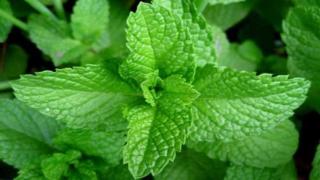
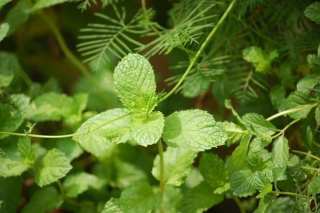
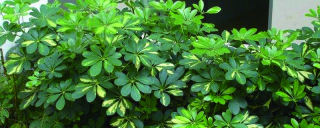
From our perspective as mint plants, sunlight is not merely a preference; it is the very currency of our existence. We require sunlight to fuel the process of photosynthesis, where we convert light energy, water, and carbon dioxide into the sugars that power our growth. Without sufficient light, this process slows dramatically. Our stems become weak and spindly as we desperately stretch towards any available light source, a condition you call "etiolation." Our leaf production diminishes, and our vibrant green color fades to a pale yellow because we cannot produce enough chlorophyll. Simply put, light is our food, and without enough of it, we starve and become vulnerable.
While we are sun-loving plants at heart, our ideal environment is not the harsh, all-day exposure of a desert cactus. We thrive best in what we would describe as a "bright but gentle" setting. For most of our varieties, this translates to approximately 4 to 6 hours of direct sunlight per day, preferably the milder morning sun. The afternoon sun, especially in hotter climates, can be too intense. It can scorch our delicate leaves, causing them to wilt and brown at the edges, and it places immense stress on our root systems as we struggle to pull enough water from the soil to keep up with rapid transpiration.
This is why we are profoundly grateful for afternoon shade. A location that offers us bright morning sun and then protection from the intense afternoon rays is perfect. It provides us with the energy we need without the damaging side effects. This shaded period allows us to conserve water, process the energy we collected in the morning, and direct it towards producing the robust, flavorful leaves you desire. In very warm climates (USDA zones 8 and above), we can even be content with bright, filtered light or full shade for the entire day, as long as it is truly bright and not deep, dark shadow.
A life in deep, constant shade is a struggle for us. While we are resilient and may not immediately perish, our growth will be severely stunted. We will produce far fewer leaves, and the ones we do manage to grow will be small and lack the potent concentration of essential oils that give us our signature minty aroma and flavor. Our growth will be leggy, as we focus our limited energy on stretching our stems to find a gap in the canopy rather than on producing lush, bushy foliage. We become weak and are far more susceptible to pests like spider mites and diseases like powdery mildew, which thrive in stagnant, low-light conditions.
It is important to note that we are a highly adaptable genus. Our specific needs can vary slightly between varieties. For example, Apple Mint (Mentha suaveolens) often tolerates shadier conditions better than its cousins, while Peppermint (Mentha × piperita) may appreciate a bit more consistent moisture and slightly less harsh sun. Our message is one of balance. Observe us. If our leaves are crisp and brown-tipped, we are likely getting too much sun. If we are growing tall, thin, and weak with little fragrance, we are pleading for more light. Listen to our cues, and we will reward you with vigorous, aromatic growth.