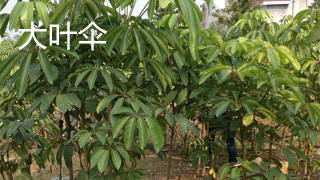
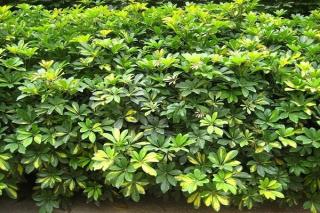
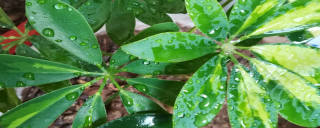
The plant in question, commonly known as the Umbrella Tree or Schefflera, belongs to the genus Schefflera. The two species most frequently encountered as houseplants are Schefflera actinophylla (the most common Umbrella Tree) and Schefflera arboricola (the Dwarf Umbrella Tree). These plants are prized for their attractive, glossy, palmate leaves that radiate from a central point, resembling the ribs of an umbrella. They are members of the Araliaceae family, a group that contains several plants known for containing irritating compounds.
From a botanical perspective, the Schefflera plant is classified as toxic to cats and dogs because it contains calcium oxalate crystals. These are sharp, needle-like crystals (known as raphides) that are stored within specialized cells called idioblasts throughout the plant's tissues, including the leaves, stems, and sap. This is a common defense mechanism in many plants within the Araceae and Araliaceae families, designed to deter herbivores from consuming them. When plant material is chewed or bitten, these idioblasts rupture, ejecting the calcium oxalate crystals into the soft tissues of the mouth, tongue, and throat.
The toxicity is primarily mechanical and chemical. The physical penetration of the sharp crystals causes immediate microscopic injuries and intense irritation. Furthermore, these crystals are coated with proteolytic enzymes and other chemical irritants that amplify the painful sensation and inflammatory response. This leads to the rapid onset of clinical signs, which are almost immediate and include intense oral pain, pawing at the mouth, drooling (ptyalism), foaming, vomiting, and difficulty swallowing. The swelling of the oral tissues and throat can occur but is typically mild to moderate in most cases.
It is important to note that Schefflera toxicity is generally considered mild to moderate. The plant's defense system is highly effective at preventing extensive ingestion due to the immediate and severe pain it causes. Therefore, animals rarely consume large quantities. The irritation is usually localized to the oral and gastrointestinal tract. While profoundly uncomfortable for the pet, life-threatening systemic toxicity or organ failure is exceptionally rare from Schefflera ingestion. The prognosis for recovery is excellent with prompt supportive care from a veterinarian, which is focused on pain management and alleviating the inflammatory response.