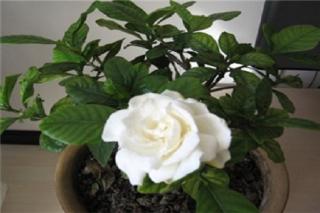
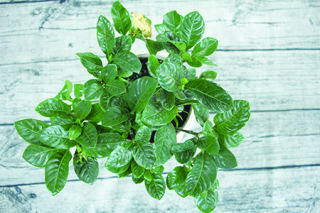
From our perspective as Gardenia plants, the pot is our entire world. It dictates our ability to anchor ourselves, access water and nutrients, and breathe. Our roots are not just for uptake; they are living, breathing organs that require oxygen. A pot that is too large holds excessive soil moisture, displacing oxygen and creating an anaerobic environment. This suffocates our roots, leading to rot and a slow, inevitable decline. Conversely, a pot that is too small constricts our root ball, preventing us from exploring for resources. This root-binding stresses us, stunts our growth, and makes us highly susceptible to drought and nutrient deficiency. We need a "Goldilocks" pot—one that is just the right size to allow for healthy expansion without drowning us.
When you first bring us home, please assess our current root situation. A good rule of thumb is to choose a new container that is only 1 to 2 inches (2.5-5 cm) larger in diameter than the one we currently reside in. This modest increase provides ample room for approximately one to two years of new root growth without overwhelming the soil volume with water. For a young, small gardenia, a 6 to 8-inch pot is often a perfect start. For a more established nursery plant, you might begin with a 10 to 12-inch pot. The goal is a gradual, staged progression that mirrors our natural growth rate, minimizing transplant shock and ensuring we can efficiently use the water available to us.
This point cannot be overstated from our viewpoint: the pot must have drainage holes. Without them, water accumulates at the bottom of the container, no matter its size, creating a stagnant pool that our roots cannot escape. This is a death sentence. A pot with several adequate drainage holes is non-negotiable. Furthermore, the material of the pot influences our root zone environment. Porous materials like unglazed terracotta allow air and water to pass through their walls, promoting a healthier root system by preventing waterlogging and cooling the soil. While plastic pots retain moisture better, they require a much more careful watering hand.
We will tell you when we are becoming root-bound and need more space. Look for these signs: roots growing out of the drainage holes, water rushing straight through the pot without being absorbed (indicating more roots than soil), or a noticeable slowing of top growth despite proper feeding and care. You might also see us wilting much more frequently between waterings. When this happens, it is time to gently repot us into a slightly larger container, typically once every 2-3 years. This timely upgrade allows us to continue developing a strong, healthy root system, which is the absolute foundation for producing those lush, fragrant white blooms you cherish so much.