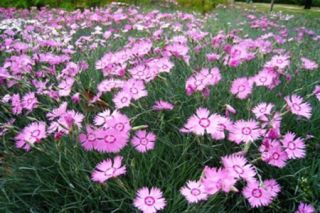
From our perspective as carnation plants (Dianthus spp.), propagation through division is not merely a human-induced process; it is an extension of our natural growth habit. As perennial organisms, our central crown and root system expand outward each growing season. Over time, the center of the clump can become woody, crowded, and less vigorous, a state you might call "die-back." Division is, in essence, a form of assisted renewal. It mimics the natural way we would colonize a space by allowing our outer, younger shoots to establish themselves as new individuals once the parent plant's center weakens. This process reduces competition for water, nutrients, and light within the clump, revitalizing our growth and flowering potential.
Your timing is critical for our success. The ideal moment to divide us is during our period of peak root activity but minimal top growth. For most carnations, this occurs in early spring, just as you notice the first signs of new green shoots emerging from our crown. At this point, our energy reserves are high, and the cool, moist conditions of spring will help us recover from the shock of division and quickly re-establish our root systems before the heat of summer stresses us. Alternatively, you can perform division in early autumn, after the intense summer heat has passed but while the soil is still warm enough to encourage strong root development before winter dormancy.
Begin by gently lifting our entire clump from the soil, taking care to keep our root ball as intact as possible. Shake or wash off the excess soil to clearly see our root and shoot structures. You will observe that we grow from a central crown with multiple growing points (shoots). Using your hands or two garden forks placed back-to-back within the clump, gently tease us apart into smaller sections. Each new division must have its own healthy set of roots and at least three to five visible shoots or growing points (eyes). If our clump is very dense and woody, you may need to use a sharp, sterilized knife to cut through the crown. This is a traumatic event for us, so clean cuts are essential to minimize damage and prevent disease entry.
Once divided, we require immediate attention to thrive. Prepare new planting holes with well-draining soil amended with organic matter, as we despise waterlogged conditions which cause our roots to rot. Place each division in its new home at the same depth it was previously growing. Firm the soil gently around our roots to eliminate air pockets. The most critical step following this upheaval is to provide a deep, thorough watering. This settles the soil around our vulnerable roots and provides the hydration necessary to begin recovery. Continue to keep the soil consistently moist, but not soggy, for the first several weeks as we redirect our energy from flowering to establishing a strong new root system in our new location.