From my perspective as a tulip bulb, I am a self-contained storage unit, packed with the energy and genetic blueprint needed to produce a flower. I enter your care in a dormant state, a period of rest crucial for my survival. To coax me into growth, you must first simulate winter. This process, called vernalization, involves a period of cold exposure (typically 12-16 weeks at 35-48°F or 2-9°C). This cold treatment is not a suggestion; it is a biological imperative. It breaks down the inhibitors within me that prevent growth and allows hormones like gibberellin to mobilize the stored starches in my scales, converting them into the sugars that will fuel my root and shoot development. Skipping this step will result in weak growth, or worse, no growth at all.
Once my cold requirement is satisfied and I am placed in a glass vessel with water, my primary mission is to establish a root system. The water should only just kiss my basal plate—the flat, hairy bottom from which my roots will emerge. Submerging my body will lead to rot, as my scales are not designed for aquatic life. In these first few weeks in a cool, dark place, I will direct all my energy into sending out white, tender roots into the water. These roots are my lifeline; they are how I will absorb the water and dissolved oxygen I need to support the rapid growth to come. Without a strong, healthy root network, I cannot hope to support a flower stalk.
As my roots establish themselves, a shoot will begin to emerge from my tip. This is the most energy-intensive phase of my life. The flower bud is already pre-formed inside me, but it requires a massive amount of resources to elongate and develop. I am entirely dependent on the carbohydrates stored within my own bulb; the water provides hydration but no additional nutrients. This is why selecting a large, firm, healthy bulb from the start is so critical—I must have enough fuel for the entire journey. Once the green shoot is a couple of inches tall, you can move me to a brighter, cooler location to green up, but avoid direct heat sources, which will cause me to stretch weakly and deplete my reserves too quickly.
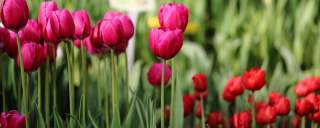
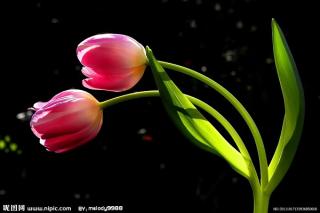
When my bud is clearly visible and colored, I am ready for my decorative display in a bright room. However, from my point of view, this is the culmination of a exhausting process. The showy bloom you enjoy represents the expenditure of nearly all my stored energy. Forcing me in water is a one-time event; I will not have the capacity to recharge and bloom again in this manner. The water provides no minerals or nutrients to rebuild my reserves. After flowering, my leaves may photosynthesize for a short while, but it will not be sufficient. Once the display is over, I am effectively spent. This method is designed for a beautiful, ephemeral display, not for my long-term perennial life cycle.