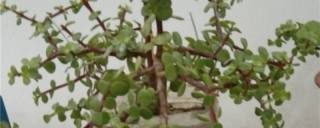
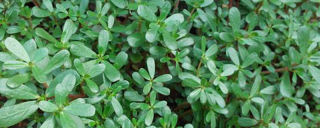
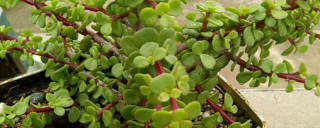
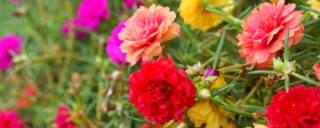
Portulaca, commonly known as purslane or moss rose, is a genus of succulent plants belonging to the family Portulacaceae. These plants are characterized by their fleshy, cylindrical leaves, vibrant flowers that often close at night or on cloudy days, and a low-growing, spreading habit. They are highly valued in horticulture for their exceptional drought tolerance and ability to thrive in hot, sunny conditions with poor soil. While there are many species, the most commonly cultivated are Portulaca grandiflora (the ornamental moss rose) and Portulaca oleracea (common purslane, which is both a cultivated vegetable and a widespread weed).
From a phytochemical perspective, Portulaca species are known to contain two primary compounds of concern for pet owners: soluble calcium oxalates and, in some varieties, potentially toxic alkaloids. Soluble oxalates are present in the plant's sap and are a common defense mechanism in many plant families. When plant tissue is chewed or broken, these oxalate crystals can be released. It is important to note that the concentration of these compounds can vary between different species and even among cultivars of Portulaca.
If a cat or dog chews on or ingests parts of a Portulaca plant, the soluble calcium oxalates act as an irritant. Upon contact, these sharp crystals can penetrate the soft tissues of the mouth, tongue, throat, and gastrointestinal tract. This physical penetration, combined with a chemical irritant also released by the plant, leads to an immediate inflammatory response. The body's reaction is not due to a systemic poison being absorbed into the bloodstream in a significant way, but rather a severe local reaction to the crystals. This mechanism is typical of many plants in the Araceae family (like Dieffenbachia), though Portulaca's effects are generally considered less severe.
The clinical signs following ingestion are primarily acute and related to oral irritation. Pet owners may observe symptoms such as excessive drooling (ptyalism), pawing at the mouth, obvious oral pain, difficulty swallowing, vomiting, and a reduced appetite. The onset of these signs is typically very rapid, occurring within minutes to a couple of hours after the plant has been chewed. The severity of the symptoms usually correlates with the amount of plant material consumed.
The American Society for the Prevention of Cruelty to Animals (ASPCA) classifies Portulaca as toxic to both cats and dogs due to the oxalates it contains. However, it is generally regarded as mild to moderately toxic. The reaction is often self-limiting, meaning it resolves on its own once the irritation subsides. The primary action is to remove any plant material from the pet's mouth and offer a small amount of milk or water to help soothe the irritation. It is, however, crucial to contact a veterinarian for advice. They may recommend monitoring at home or, in cases of significant ingestion or severe reaction, may advise an examination to provide supportive care such pain relief or anti-nausea medication.