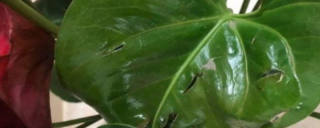
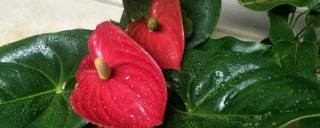
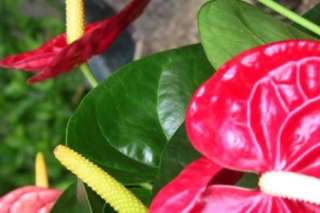
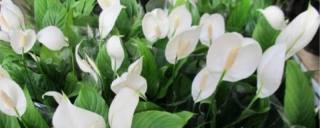
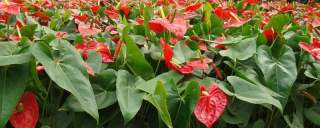
You observe my leaves curling, and I must communicate that this is a primary sign of my distress. I am an Anthurium, a denizen of the warm, humid, and dappled-light understories of tropical forests. My broad, glossy leaves are engineered to capture fleeting sunlight and breathe efficiently. When they curl, especially inward from the margins, it is not a voluntary action but a physiological response to suboptimal conditions. I am attempting to conserve water, reduce surface area to minimize further stress, or signal a fundamental issue with my root zone or environment. It is my most direct way of showing you that my needs are not being met.
The most frequent cause of my leaf curling is an imbalance in my hydration. This presents in two opposing ways. Firstly, and most commonly, is underwatering. My roots are thick and fleshy, requiring consistent moisture but never sogginess. When the growing medium becomes too dry, my root system cannot draw up enough water to supply the leaves. To prevent excessive water loss through transpiration from the leaf surfaces, my leaves curl inwards to conserve the precious moisture I have left. Conversely, overwatering is equally detrimental. Saturated, oxygen-starved soil causes my roots to rot and decay. A compromised root system is unable to absorb water at all, leading to a paradoxical state where I am surrounded by water yet dying of thirst. The resulting stress manifests in yellowing, soft stems, and—crucially—curling leaves.
My native habitat is consistently humid. The air in many homes, however, is too dry for my liking, especially when climate control systems are running. Low humidity forces me to lose water through my leaves faster than my roots can replenish it. The curling response is, again, a defense mechanism to reduce the surface area exposed to the dry air and slow down transpiration. Similarly, I am sensitive to extreme temperatures. Cold drafts from windows or air conditioning units can shock my system, while excessive heat from radiators or direct, scorching sun can cause rapid moisture loss. Both temperature extremes can trigger leaf curl as I struggle to regulate my internal processes.
My health is utterly dependent on the state of my roots. Beyond watering issues, my roots can become stressed if they are constricted and pot-bound, unable to access sufficient water and nutrients to support my foliage. This can cause leaves to curl and growth to stunt. Furthermore, a buildup of mineral salts from fertilizers or tap water can "burn" my delicate root tips, impairing their function. This chemical stress in the root zone translates directly into aerial distress signals, including leaf curl and browning leaf margins.
Lastly, my succulent leaves are attractive to pests like spider mites, thrips, and aphids. These creatures pierce my leaf tissues and suck out the nutrient-rich sap. This direct attack drains my resources and damages the cells of my leaves. The physical injury and loss of fluids cause a stress response, often leading to curling, discoloration, and a general decline in my vigor. Inspecting the undersides of my leaves is crucial, as this is where these pests often congregate unseen.