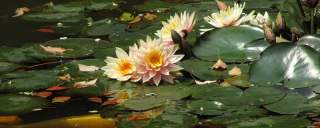
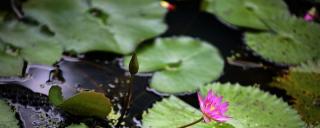
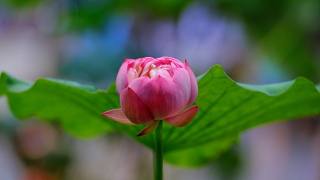
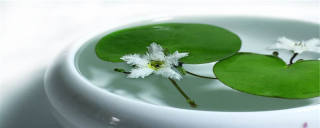
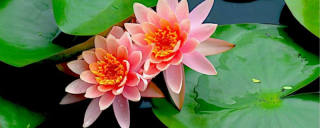
Water lilies (Nymphaea spp.) are far more than just beautiful ornamental plants; they are fundamental, dynamic components that contribute significantly to the ecological balance and health of a pond. From a botanical perspective, their entire structure, from roots to flowers, is engineered to perform crucial functions that stabilize the aquatic environment.
One of the most critical roles of water lilies is their management of light penetration. Their large, flat, floating leaves, or lily pads, create extensive coverage on the pond's surface. This canopy dramatically reduces the amount of sunlight that reaches the lower layers of the water. Since phytoplankton and filamentous algae require abundant sunlight for photosynthesis, this shading effect directly and naturally inhibits excessive algal growth. By outcompeting algae for light, water lilies prevent unsightly green water and algal blooms, which are a common sign of an imbalanced ecosystem, thereby maintaining clearer water and higher dissolved oxygen levels for other organisms.
While the submerged parts of the water lily do release some oxygen into the water through respiration, their primary role in gas exchange is more nuanced. The plant's vascular system efficiently transports oxygen from the atmosphere, absorbed through the stomata on the top surface of the leaves, down to its rhizomes and roots in the anaerobic pond sediment. This process oxidizes the soil around the roots, preventing the buildup of harmful reducing substances and making the substrate more hospitable for beneficial bacteria. Furthermore, the lily pads facilitate the off-gassing of harmful dissolved gases, like carbon dioxide and hydrogen sulfide, from the water column into the atmosphere, contributing to a healthier chemical balance.
Water lilies are voracious feeders, acting as a natural biological filtration system. Their extensive root systems, anchored in the pond's substrate, actively absorb and sequester excess nutrients from the water, particularly nitrogenous wastes (ammonia, nitrates) and phosphates. These nutrients, often introduced from fish waste, decomposing organic matter, or runoff, are the primary fuel for algal blooms. By outcompeting algae for these essential nutrients, water lilies directly starve the algae, further contributing to water clarity. This nutrient uptake is incorporated into the plant's own biomass, effectively removing them from the aquatic system and preventing eutrophication.
The physical structure of the water lily creates a complex and vital habitat for a diverse range of pond life. The underside of the lily pads provides crucial shade, cover, and attachment points for micro and macro-invertebrates, which are a fundamental food source for fish. The vast surface area of the root system offers shelter for fish fry, amphibians, and countless insects, protecting them from predators. Above the water, the pads serve as basking platforms for frogs and turtles and as landing pads for dragonflies and other beneficial insects. This creation of micro-habitats significantly increases the pond's overall biodiversity and stability.