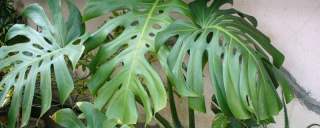
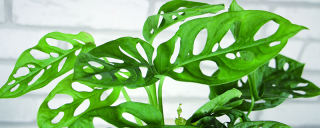
For plant enthusiasts seeking a healthy Monstera deliciosa, understanding the plant's fundamental needs and how they translate to its physical presentation is crucial. A truly healthy specimen isn't just about availability; it's about recognizing the signs of vitality that will ensure its long-term success in your home.
Before you buy, know what to look for. A healthy Monstera possesses specific traits. The foliage should be robust and perky, with a uniform, deep green color. Avoid plants with yellowing leaves, which can indicate overwatering or poor health, or widespread brown, crispy edges, which suggest low humidity or underwatering. Minor physical damage on a leaf or two is acceptable, but the overall presentation should be vigorous. Inspect the stems and structure; they should be firm, not mushy or limp. Most importantly, examine the root system if possible. Gently pop the plant out of its pot (with permission). Healthy roots are firm and white or light tan. Dark, mushy, or slimy roots are a sign of root rot. Finally, check the undersides of leaves and stems thoroughly for any signs of pests like spider mites (fine webbing), scale (small, bumpy insects), or thrips (tiny black specks).
Your choice of vendor significantly impacts the plant's initial health. Here are the best options, ranked by their typical care standards:
Local Specialty Nurseries and Plant Shops: This is often the best source. These businesses are run by plant experts who understand the specific needs of tropical plants like Monstera deliciosa. They often source from quality local growers, care for their plants correctly before sale (proper light, water, and humidity), and can provide expert advice. You can inspect the plant in person, which is invaluable.
Online Specialty Retailers (e.g., The Sill, Bloomscape, Steve's Leaves): These companies specialize in shipping healthy houseplants directly to your door. They package plants expertly to minimize transit shock and typically have rigorous quality control. While you can't inspect the specific plant beforehand, their reputation depends on delivering vibrant, pest-free specimens.
Large Home Improvement Stores (e.g., Home Depot, Lowe's) and Warehouse Clubs: These stores can be a mixed bag. You may find a large, affordable, and perfectly healthy Monstera, but you must be extra diligent. Their garden centers are often overwatered and understaffed. Carefully apply the health indicators listed above, as plants here are more susceptible to pests and root rot due to inconsistent care.
Certain sources and signs should prompt caution. Be wary of grocery stores or general merchandise stores that do not have a dedicated plant-care staff. These plants are often shipped in and neglected, left in dark corners or sitting in saturated soil. Avoid plants that are bone dry and wilting or, conversely, standing in a saucer full of water. Steer clear of plants with a soggy, foul odor emanating from the soil, as this is a strong indicator of advanced root decay. While a "rescue" project can be rewarding, starting with a fundamentally healthy plant is always preferable.
Your responsibility begins immediately after purchase. Even a healthy plant needs time to adjust to its new environment. Quarantine your new Monstera away from other houseplants for at least two weeks to ensure no hidden pests emerge. Provide it with bright, indirect light and water only when the top few inches of soil feel dry. Resist the urge to repot immediately; allow the plant to acclimate for a few weeks to avoid compounding its stress.