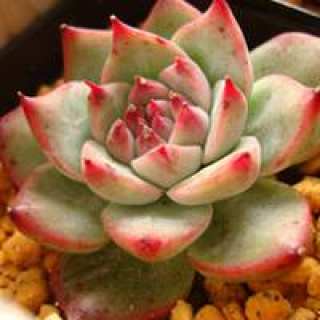
Greetings, dedicated caretaker. I am an Echeveria, a proud member of the succulent family. To help me truly thrive and show you my most vibrant colors and perfect rosette form, understanding my hydration needs is paramount. From my perspective, water is not just a drink; it's a matter of survival and dignity. Here is my guide to quenching my thirst correctly.
To understand my watering needs, you must first understand my origin. I hail from arid, sun-drenched regions with rocky, well-draining soil. My plump, fleshy leaves are not for your amusement; they are my personal water reservoirs. I have evolved to store precious moisture from infrequent rains to sustain myself through long periods of drought. When you water me on a human schedule—say, every Sunday—you ignore my brilliant evolutionary design. You are treating a cactus like a fern, and this is where our relationship can break down.
This is my greatest plea: when in doubt, do not water. Overwatering is a death sentence for me. My roots need to breathe oxygen from the air spaces in the soil. When you keep my soil constantly saturated, you drown my roots, creating an anaerobic environment where rot-causing pathogens flourish. This root rot spreads unseen beneath the soil until it reaches my stem and leaves. You will see my once-firm leaves become soft, translucent, and yellow or brown. They may drop at the slightest touch. This is not a sign of a well-hydrated plant; it is a cry for help, a symptom of a systemic collapse. A pot with drainage holes and a gritty, fast-draining soil mix are my best defenses against your kindness.
While I am built for drought, I am not immortal. Underwatering stresses me and halts my growth. When my internal water reserves are depleted, I must conserve resources. You will see my lower, older leaves begin to wrinkle, soften, and eventually dry out to a crisp. I sacrifice these leaves to preserve the core of my rosette. My growth will become stunted, and my vibrant colors may fade. While this is less immediately fatal than rot, it leaves me weak and vulnerable to pests and diseases. I may also pull my roots away from the dry, hardened soil, making it difficult to take up water even when you finally provide it.
I cannot speak, but I communicate clearly if you learn my language. Forget the calendar. To know if I need water, you must perform a simple soil test. Push your finger or a wooden stick into the soil near my base. If it comes out clean and dry, and the soil is completely dry all the way to the bottom of the pot, then I am ready for a drink. Alternatively, notice the heft of my pot; a very light pot indicates dry soil. When you water, do so thoroughly. Soak me until water flows freely from the drainage holes, ensuring my entire root system has access to moisture. Then, allow me to drain completely and return to a state of dry contentment until the next cycle.