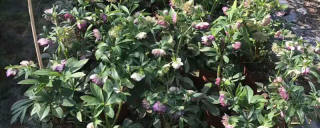
From our perspective, the timing of your intervention is critical to our survival and future prosperity. The absolute best time to undertake this process is in late autumn or very early spring, just as we are entering or exiting our period of winter dormancy. During this time, our energy is not directed towards flowering or producing new foliage. Instead, it is stored safely within our thick, fibrous root systems. Disturbing us during our active growth or blooming phase in late winter and spring is immensely stressful, diverting energy from flowering and potentially causing long-term damage or stunting. By acting when we are dormant, you work with our natural cycle, allowing us to focus our energy entirely on re-establishing our root systems in our new locations before the demands of the growing season begin.
Begin by using a sharp spade to dig a wide circle around the mature clump, taking care to minimize damage to our extensive root system. Gently lift the entire plant from the ground and wash the soil from the roots with a gentle spray of water. This allows you to clearly see the crown and the natural divisions, or "fans," of foliage. Our crown is the central growing point from which all roots and shoots emerge; it must be treated with great care. Using a sharp, sterilized knife, cleanly cut the crown into sections. Each division must have at least two or three healthy growth buds (eyes) and a proportionate amount of our thick, black roots attached. Tearing or breaking the crown apart is traumatic and creates wounds that are highly susceptible to rot and disease. A clean cut heals much faster and gives each new plant the best start.
Our success in our new homes depends heavily on the preparation you provide. We thrive in conditions that mimic our native woodland habitats: rich, well-draining soil with ample organic matter and dappled shade. Before transplanting, prepare the new planting holes. They should be wide and deep enough to accommodate our root systems without crowding or bending. Amend the native soil with generous amounts of compost or well-rotted leaf mold. This provides essential nutrients and improves soil structure, ensuring good drainage while retaining necessary moisture. We despise having our crowns sit in waterlogged soil, as this leads to rapid rot, so good drainage is non-negotiable for our health.
Place each division in its prepared hole, ensuring the crown is positioned at the same soil level it was growing at before—never deeper. Backfill the hole with the amended soil, firming it gently around our roots to eliminate air pockets. Water each new transplant thoroughly and deeply immediately after planting. This settles the soil around our roots and provides the crucial moisture we need to begin regenerating. Apply a layer of organic mulch, like shredded bark or compost, around (but not on top of) the base of the plant. This will help conserve moisture, suppress weeds, and continue to feed the soil as it breaks down. Continue to provide consistent moisture, especially during the first full growing season, as we expend a great deal of energy establishing a strong new root system.